The varicella-zoster virus (VZV) is the virus that causes chickenpox, a particularly dangerous illness. It results in a rash that resembles blisters, itching, fatigue, and fever. In the past, chickenpox was quite prevalent in the India. About 4 million cases, 10,600 hospitalisations, and 100 to 150 fatalities each year were attributed to chickenpox.
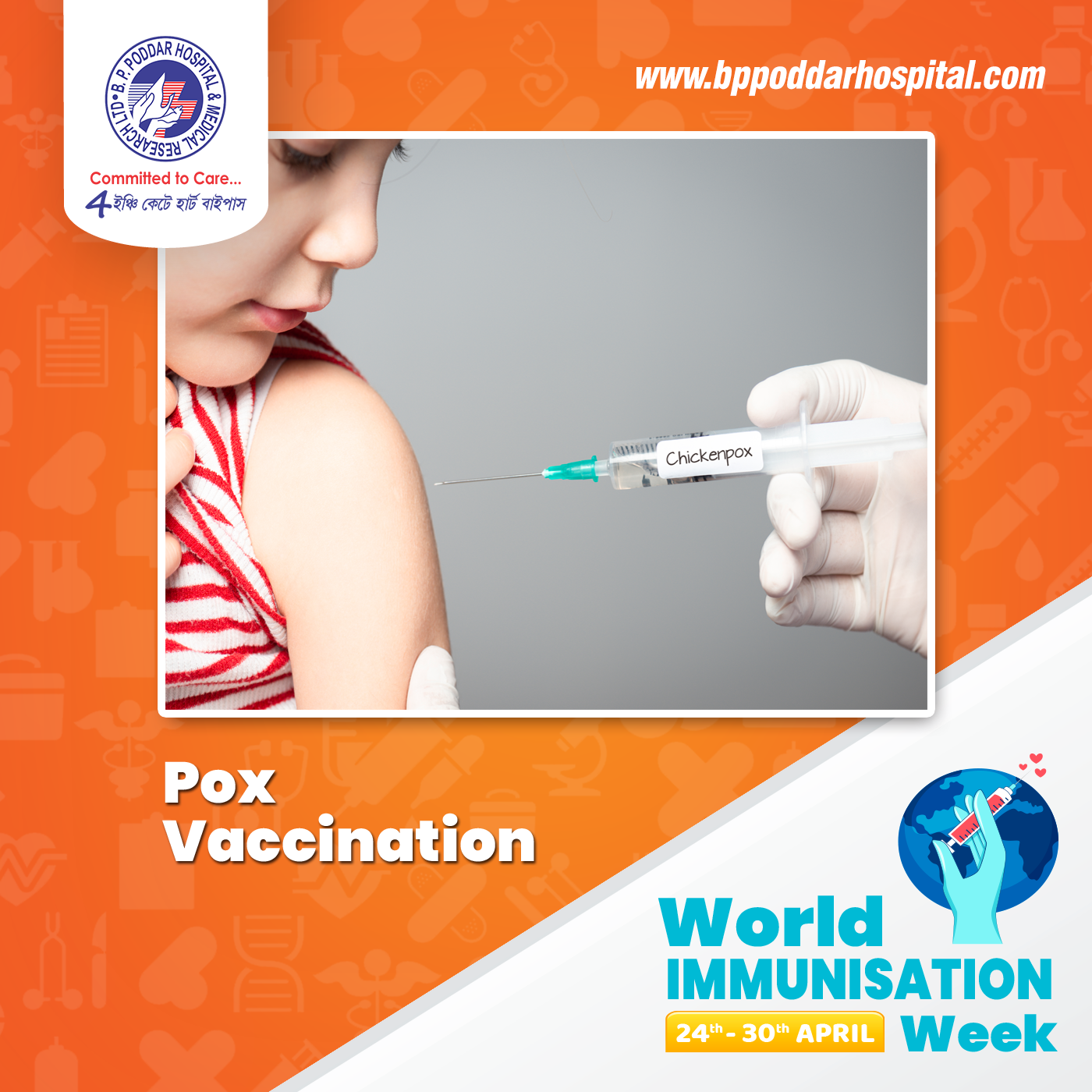
About 90% of people may avoid getting chickenpox after receiving two doses of the vaccination. By being vaccinated, you defend both yourself and other members of your community. For individuals who cannot receive vaccinations, such as those with compromised immune systems or pregnant women, this is particularly crucial.
Even those who have had the chickenpox vaccination occasionally get the illness. But often, it is less severe, with fewer blisters and little to no fever. If you have concerns regarding the chickenpox vaccination, see a healthcare provider.
The CDC advises adults, adolescents, and children to receive two doses of the chickenpox vaccination. The vaccine should be administered to children twice, first between the ages of 4 and 6 years old and again between the ages of 12 and 15 months.


 NABH Accredited Hospital