Yes! You can prevent or delay type 2 diabetes with proven, achievable lifestyle changes; such as losing a small amount of weight and getting more physically active even if you're at high risk. Read on to find out about lifestyle change program and how you can join.
What is Prediabetes?
Before developing type 2 diabetes, most people have prediabetes; their blood sugar is higher than normal but not high enough yet for a diabetes diagnosis. Prediabetes is really common. The good news is that prediabetes can be reversed.
DOs and DONTs in Diabetes
DOs if you have diabetes
Proper diet, regular exercise and meditation are important.
Eat small and frequent meals. Control portion size; don't give long gap between meals. Have early dinner.
Include raw or fresh salads and high fibre food (wheat, ragi, jowar, millets and brans) in every meal.
Include green leafy vegetables and sprouts, flax seeds, chia seeds daily.
Selected fruits like small apple, pear (marasebu), orange, guava, peaches, sweet-lime, plum, 1 slice muskmelon, apricot, jamun, papaya and pineapple are allowed 100gms only and preferably in midmorning if the fasting blood glucose levels are less than 100mg/dl.
Use boiling/steaming/baking/grilling process for cooking food.
Limit the salt intake to 5gm/day or one leveled teaspoon.
For cooking, use rice-bran oil, canola oil, groundnut oil, mustard oil, sunflower oil, olive oil etc. and limit the intake to 500 Gms or half a liter per person per month.
Include plenty of water, buttermilk, soups and keep your self-hydrated.
DON'Ts if you have diabetes
Cut down refined carbs like sweets and sweetened products like sugar, honey, jaggery, cakes, pastries etc.
Avoid fried foods butter/nutralite, Vanaspati and coconut.
Avoid sweetened fruit juice, high calorie fruits or overripe fruits like mango, banana, sapota, seethaphal and jackfruit.
Avoid roots and tubers such as potato, sweet potato, beetroot, yam, tapioca and sweet pumpkin.
Avoid aerated and caffeinated drinks such as pepsi, coke, fanta, diet coke, soda etc.
Avoid dry fruits such as raisins, dates, figs, prunes, plums, cashew and pista.
Restrict the amount of salt in the diet. Avoid papad, pickles, processed food, canned food, baking soda and aginomoto.
Artificial sweeteners like Sugarfree can be used with tea and coffee in small amounts.
Avoid organ meat, red meat (mutton), beef, pork, and egg-yolk.
Strictly avoid health drinks.
Iodine is a crucial component for maintaining human health. Iodine deficiency disorders (IDD) may develop if the thyroid gland is not able to operate properly. Goiters, mental impairment and even death are among the health issues IDD can cause. IDD affects millions of people each year making it a significant public health issue. The World Health Organization established October 21 as the World Iodine Deficiency Day in order to promote iodine supplementation as a successful means of preventing IDD.
What is Iodine Deficiency?
Iodine is a crucial trace element needed for the synthesis of thyroid hormones. The growth and development of the brain depend on these chemicals. Iodine shortage can result in a variety of health issues such as cretinism, mental retardation and goitre (an enlarged thyroid gland) which is characterized by stunted physical growth and mental development.
Causes
Iodine is a crucial trace element needed for the synthesis of thyroid hormones. Numerous crucial physiological functions, including as metabolism, growth, and development, are regulated by thyroid hormones. The most frequent worldwide cause of reversible mental impairment and brain damage is iodine deficiency. Making sure to regularly eat iodized salt is the greatest approach to avoid an iodine shortage.
Symptoms
Goiter which happens when the thyroid gland enlarges as a result of a lack of iodine is the most typical symptom of iodine deficiency. Goiter may be nodular or diffuse (an enlargement of the entire or more areas of the gland).
Fatigue
Weight gain
Dry skin
Loss of hair
Cold intolerance
Constipation
Depression.
Cretinism and mental impairment can result from severe iodine deficiency.
Prevention and Treatment
Universal salt iodization: Every nation should make sure that the iodization of salt used for human consumption is sufficient. The most successful and long-lasting method of Iodine Deficiency Disease (IDD) prevention.
Iodine fortification of other foods: In some nations, staple foods like rice and flour may be given an iodine boost. The context and requirements of the local area should inform this strategy.
Health education and awareness-raising: It's critical to raise understanding of iodine's role in preventing IDD and the necessity of eating foods high in iodine.
Osteoporosis literally means "porous bone." Since the condition weakens bones and increases the chance of sudden, unforeseen bone fractures. If a person has osteoporosis then the bones become weaker and light in mass. The condition frequently progresses without any warning signs or discomfort and it is typically not detected until the weakening of bones result in fractures. The majority of these involve hip, wrist, and spine fractures.
World Osteoporosis Day proposes educating people about osteoporosis and its effects which relies on five steps to osteoporosis prevention. The first step is to eat meals that are rich in calcium, vitamins, proteins, and other nutrients, maintaining body weight by engaging in at least 40 minutes of exercise daily and by avoiding excessive alcohol consumption and smoking. It also creates awareness of elements such as illnesses, genetics, medications, and menopause which are the factors for osteoporosis.
Causes
The exact cause of osteoporosis is unknown as it develops inside the living, expanding tissue which makes up the bones. Trabecular bone, which constitutes the inside of healthy bones, resembles a sponge. The cortical bone, a spongy bone, is encased in a tough outer layer of bone. Osteoporosis weakens the inside of the bone by causing the "holes" in the "sponge" to enlarge and multiply. The body breaks down and rebuilds the bone when it requires calcium. This procedure is known as bone remodeling which maintains the strength of the bones while supplying the body with the calcium it requires. After age 35, bone deterioration outpaces bone formation, resulting in a steady decrease of bone mass which usually increases after menopause.
Symptoms
Osteoporosis typically shows no symptoms. Thus it is sometimes also referred as ‘silent sickness’ for this reason. However, the following symptoms are observed:
Decrease in height (getting shorter by an inch or more).
Bad posture (stooping or bending forward).
Difficulty in breathing (smaller lung capacity due to compressed disks).
Broken bones.
Lower back pain
Risk factors
Age- osteoporosis usually happens with age.
Gender- women are majorly affected with osteoporosis than men.
Lifestyle- due to bad lifestyle like obesity have the higher risks of having osteoporosis.
Family history- people with a family history of arthritis are more likely to have it in the future.
The risk of getting osteoporosis is highest in postmenopausal or older women.
Diagnosis
Dual-energy X-ray absorptiometry, often known as a DEXA or DXA scan to assess the bone health.
Bone Mineral Density (BMD) examinations to check the strength of the spine, hip, and wrist bones.
X-rays which emit very modest doses of radiation can detect only the highly advanced osteoporosis.
Treatment
The goals of osteoporosis treatment include managing pain, reducing joint deterioration, and enhancing or maintaining function and quality of life. This can be accomplished while also protecting joints from future harm by supplementing a variety of drugs and lifestyle choices.
Medications like analgesics, Nonsteroidal anti- inflammatory drugs (NSAIDs) etc.
People with osteoporosis can improve their general health and lessen the severity of their symptoms by maintaining a healthy, balanced diet, getting the right amount of exercise, and refraining from smoking and excessive alcohol consumption.
Physiotherapy and exercises.
Surgery- in case of severe arthritis, surgeries like Total Knee Replacement, Total Hip Replacement, joint fusion, synovectomy, osteotomy etc.
Arthritis is the medical term for swelling or joint inflammation. It describes more than 100 ailments that have an impact on connective tissues, joints, and surrounding tissues. Depending on the type of arthritis, specific symptoms can vary, although stiffness and pain in the joints are typically present.
Types of Arthritis
Rheumatoid arthritis and osteoarthritis are the two most prevalent kinds of arthritis.
Osteoarthritis- It is the deterioration of the cartilage which is a hard, smooth coating on the ends of bones where they form a joint which gets worn down due to damage. This deterioration may take place gradually over many years or may be sped up by an infection or joint damage. The lining of the joint may swell and become inflamed if the cartilage in the joint is significantly damaged. This results in grinding of the bones directly against each other, causing pain and limiting movement.
Rheumatoid arthritis- The strong membrane that encloses all the joint components is attacked by the body's immune system. Due to this, the synovial membrane swells and becomes irritated. Bone and cartilage in the joint may eventually be destroyed by the illness.
Other forms of arthritis can be brought on by infections or underlying conditions like lupus or psoriasis. Gout can be brought on by uric acid crystals, which develop when your blood uric acid level is too high.
Symptoms
Intense pain in the joints.
Swelling in the joints.
Redness and stiffness in the joints.
Decreased range of movements.
Risk factors
Age- osteoarthritis usually happens with age.
Family history- people with a family history of arthritis are more likely to have it in the future.
Gender- women are majorly affected with rheumatoid arthritis than men, whereas gout usually happens in men.
Lifestyle- due to bad lifestyle like obesity have the higher risks of having arthritis.
People are more prone to develop arthritis in a joint that has been injured, possibly while participating in sports.
Treatment
The goals of arthritis treatment include managing pain, reducing joint deterioration, and enhancing or maintaining function and quality of life. This can be accomplished while also protecting joints from future harm by supplementing a variety of drugs and lifestyle choices.
Medications like analgesics, Nonsteroidal anti- inflammatory drugs (NSAIDs) etc.
People with arthritis can improve their general health and lessen the severity of their symptoms by maintaining a healthy, balanced diet, getting the right amount of exercise, and refraining from smoking and excessive alcohol consumption.
Physiotherapy and exercises.
Surgery- in case of severe arthritis, surgeries like Total Knee Replacement, Total Hip Replacement, joint fusion, synovectomy, osteotomy etc.
On October 10, we celebrate World Mental Health Day to escalate our knowledge of mental health advancements. Our increased self-awareness and sensitivity to it have improved the situation. It is noted that there has never been a more pressing need to reduce the stigma associated with mental illness and to promote its understanding and treatment. The main objective of this day is to raise the awareness about mental health and to raise the support and effort for a better mental health.
This day serves as a reminder that a person is not suffering alone. We tend to believe that we are the only ones going through difficult times and knowing that others have experienced it and come out on the other side is encouraging. We are also reminded that we are capable of overcoming the pain and progress towards the betterment.
Importance
The stigma associated with mental health concerns can be reduced by normalizing them. Even while this is getting better, many people still feel embarrassed to talk about their feelings or go to therapy. Campaigns like this one can compel people to take good care of their mental health.
People can be kept safe by raising awareness of the symptoms of mental health problems, can have important conversations with those close to them when they are aware of the warning signals of poor mental health. In this way, it can be understood whether he/she needs expert assistance.
A greater understanding of mental health concerns also makes persons who experience them feel less isolated. When the reality about their prevalence is revealed then the people feel less alone or less humiliated.
Encouragement of nations to allot more of their money for mental health resources particularly crucial in low-income nations as very few people in these nations have access to medical care.
Symptoms of mental illness
Being depressed or sad.
Unclear thinking or a diminished capacity to focus.
Anxiety, hallucination, feeling stressed or guilty feeling.
Extremely high and low mood swings, e.g.; anger.
Withdrawal from relationships, hobbies and interests.
Significant exhaustion, low energy, or insomnia.
Suicidal thoughts or self-harm.
How to overcome?
By talking and sharing thoughts with a close one- be it a friend, or a family member.
Remedial counseling with the therapists.
Self- help groups which are involved in identifying the people suffering from the problems and encourage them to have an activity together in order to overcome the mental illness.
By reaching out to the affected individual and extend help and medical support.
Medications as prescribed by the doctor.
Every year on September 15, World Lymphoma Awareness Day is observed to increase public understanding of lymphoma, a kind of cancer that is becoming more prevalent. The Lymphoma Coalition, a non-profit network organization of 83 lymphoma patient groups from 52 nations worldwide is the entity in charge of hosting the global project. World Lymphoma Awareness Day was established in the year 2004 in order to increase public knowledge of Hodgkin and non- Hodgkin lymphoma in terms of symptom recognition, early diagnosis and treatment. Lymphoma is a potentially fatal illness with a rising incidence. Nearly 1,000 people throughout the world receive a lymphoma diagnosis every day but there is still a low level of awareness of the disease's warning signs and symptoms.
By raising awareness of lymphoma, more individuals will be able to identify its symptoms and signs resulting in earlier detection and faster treatment. Increased knowledge will also enable patients and their families to request specialized care from trained lymphoma doctors and to have access to the most recent resources for assistance, support and therapy.
What is Lymphoma?
Both B-cells and T-cells/Natural Killer cells can be affected by lymphoma, a malignancy of the white blood cells known as lymphocytes. However, they can be broadly divided into two categories: high-grade or aggressive or acute lymphoma where the cells develop and spread quickly but have a better prognosis since chemotherapy can efficiently destroy the cancer cells and low-grade or chronic lymphoma. Low-grade lymphoma patients frequently respond well to treatment, but because the malignancy is characterized by cycles of remission and relapse, this kind of lymphoma is typically regarded as incurable. However, people over 60 are primarily affected. This implies that the person may pass away from causes other than cancer as the quality of life is affected.
Symptoms and Treatment
It is often characterized by fatigue which becomes more severe with time as the lymphoma progresses in the body. Swelling of lymph nodes, sweating especially in the night, difficulty in breathing, unexplained weight loss are some of the major symptoms observed in the lymphoma patients.
Chemotherapy, targeted immunotherapy and other drugs have proved to be very much efficient for the survival of the lymphoma patients if the treatment has been started sooner.
Detection and Prevention
The only way to diagnose lymphoma is to diagnose at the earliest. Ultrasound, PET scan and biopsy are the diagnostic tests which confirms this condition. Sooner the detection, better is the treatment and cure. Thus, if any of the above mentioned symptoms observed in any individual, it’s better to get the necessary medical examinations done.
Adults frequently complain of joint pain, which is typically brought on by regular wear and tear from daily activities including walking, bending, standing, and lifting. Running and sports involving jumping or fast pivots increase the risk of knee pain and other related issues in athletes. But whether joint pain is brought on by ageing or an injury, it can be bothersome and even crippling in some cases.
Common joint pain typically manifests in the hands, foot, hips, knees, or spine. Pain may be ongoing or intermittent. Joint pain can sometimes be described as discomfort, inflammation, soreness, stiffness, or pain. Joint discomfort can be acute (lasting only a few days) or chronic (lasting more than three months). The joint may occasionally feel stiff, achy, or sore. A searing, throbbing, or "grating" feeling is reported by some patients and furthermore the joint could be stiff in the morning but get looser and feel better with activity.
Causes –
Sprained or strained knee ligaments or muscles- Those who have had any joint injuries or repeated overuse of the muscles.
Another cause of stiffness and painful joints is age. This results in the strain and wear and tear of the joints.
Osteoarthritis- a prevalent type of arthritis which develops over time when the cartilage (the protective cushion in between the bones) wears away and the joints start to hurt and stiffen.
Torn cartilage which occur with sprains.
Joint dislocation due to injury or accident.
Rheumatoid arthritis- A persistent condition that injures the joints and causes swelling. This results in the deformation of joints (usually occurring in the fingers and wrists).
Gout- Crystals from the body build up in the joint which results in excruciating pain and swelling. Usually, the big toe experiences this.
Due to physical and mental stress
Symptoms observed-
Intense pain
Swelling of joint, redness and fever
Difficulty in walking
Joint inflammation and cartilage decay due to arthritis
Reduced mobility and joint stiffness
Numbness
Noisy joints like clicking, grinding or crackling sound during movement.
Visible deformity of the affected joint
Diagnostic tests and Treatments -
Pathological examinations such as Blood tests, hormone tests, tests to detect the function of adrenal glands and Urine culture.
X-rays, CT scan or MRI scan.
Arthroscopy- A minimally-invasive diagnostic and treatment procedure used for joint conditions. An arthroscopeâ€â€Âa tiny, illuminated optic tube introduced through a tiny incision in the joint. Images of the inside of the joint are projected onto a screen in order to analyze any arthritic or degenerative changes in the joint, to find tumors, to identify the source of bone pain and inflammation. This procedure is also used for ACL (anterior cruciate ligament) surgery.
Replacement surgeries like Total Knee Replacement, Total Hip Replacement, Spinal surgeries to relieve the unbearable pain and also adds new shelf life to the joints. This is usually suggested for severe osteoarthritic patients.
Physiotherapy as suggested by the physician for post-operative patients and also suggested exercises for restoring movement to the numb joint.
Medications as prescribed by the medical practitioner.
Total Knee/ Hip Replacement surgery-
It could be challenging to walk or climb stairs if the knee or hip joint has been seriously affected by arthritis or another accident. So, even while sitting or lying down, one could start to experience pain. Replacement surgery is recommended for the patients with bowed knee deformity. The average surgical procedure lasts between 1-2 hours and requires very less hospital stay for about three days. After three to six weeks of rest, the patient can resume back to his daily routine. To correct the alignment and function of knee/hip joint, the orthopedic surgeon will remove the damaged bone and cartilage and then places the new metal implants which are made up of titanium dioxide highly polished with cobalt chromium. These implants mimic the exact the knee/ hip joint and offers the same movement as that of a natural joint. These replacement surgeries do not have any age or weight restrictions and can be performed at any stage of the life. Having a knee/hip replacement surgery improves mobility, reduces pain, and improves the quality of life. Additionally, the majority of these replacements provide a shelf life longer than 15 years.
Prevention and Control-
Activity modification such as weight loss.
Walking aids such as walking stick, safety bars or handrails across the staircases for those with the disrupted movement.
Viscosupplementation injections and nerve ablation for immediate pain relief. Viscosupplementation involves injecting a gel- like fluid called hyaluronic acid which provides lubrication and may provide immediate pain relief. But this procedure has not found to be effective and often causes side effects like redness, swelling in the injected part and may develop a local allergy- type reaction.
Avoid using low floor toilets and use of western commodes is recommended.
Physiotherapy exercises for restoring the movements and strengthening the joint post-operation.
Management of stress.
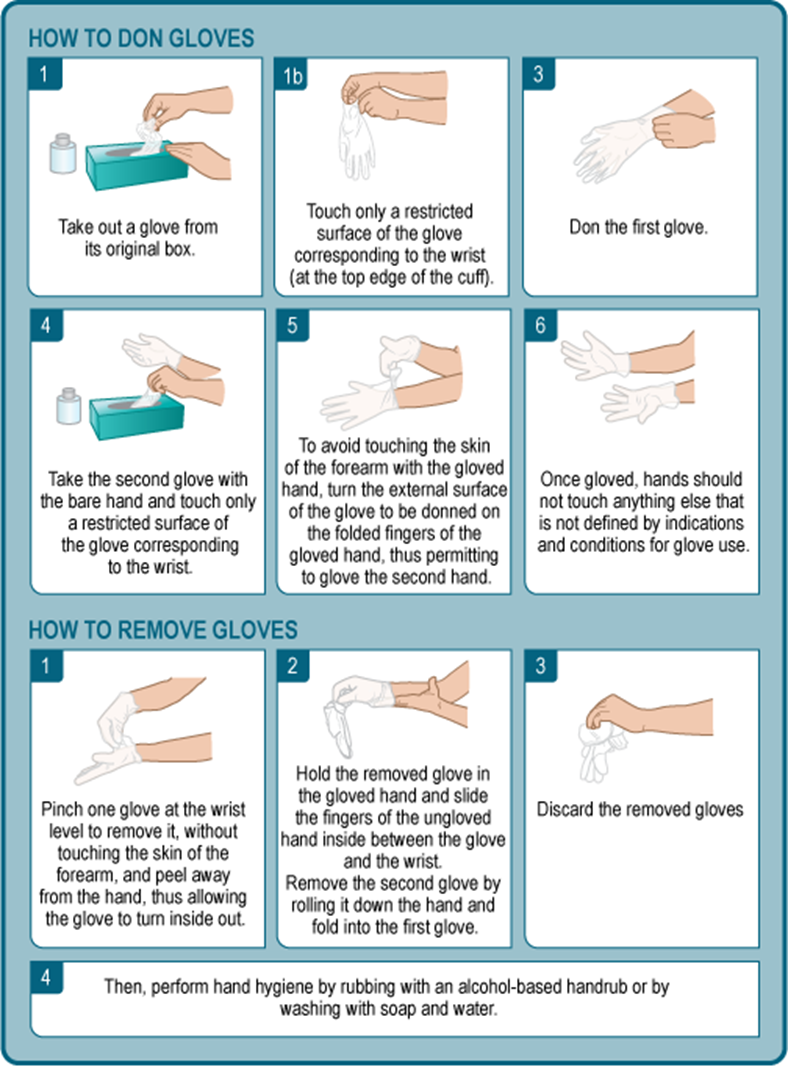
Another trivial thing for maintaining Hand Hygiene is the use of gloves. It is a Personal Protection Equipment (PPE) employed in common precautions against the spread of pathogens from healthcare providers' hands to those of their patients as well as from patients' hands to those of their colleagues. Many people are unaware that the gloves' level of protection is insufficient. In one study, it was discovered that when doing basic patient care, workers who did not wear gloves and that had contaminated their hands at a rate of 16 bacterium per minute, compared to 3 bacteria per minute for those using gloves. Therefore, using gloves DOES NOT eliminate the necessity to wash our hands afterwards. Whether wearing gloves make it harder to maintain good hand hygiene has been the subject of various research. The majority of research have been modest and have evaluated the use of gloves and hand cleanliness using non-standardized methods. Since it's quite challenging to remove the gloves without contaminating our hands, doctors must also sanitize their hands after using them. Otherwise, it can cause the transfer of germs from the gloves onto the skin. A recent study has found that skin or garment contamination occurred in 52.9% of glove removals. Every time we touch anything, we should take off our gloves, wash your hands and then put on the fresh ones. If the same gloves are repeatedly used, then there are higher chances of contaminating everything we touch. Thus, it’s very important to put on the fresh gloves at regular intervals and wash our hands properly and sanitize our belongings. Gloves should be used whenever a patient is being cared for when exposure to blood or any other body fluid is possible (including contact with mucous membranes or skin that isn't intact), as well as during contact precautions and outbreak circumstances.
The recommended guidelines regarding usage of gloves as issued by the World Health Organization (WHO) are listed below -
Health care professionals must be able to distinguish between certain clinical scenarios in which gloves should be used and changed and those in which they are not. Additionally, the health care worker needs to be properly taught about when to put on and take off the gloves.
Following taking off the gloves, there is an immediate need for hand wash.
When a health care provider needs to do hand washing or hand rubbing while wearing gloves due to an indication for hand hygiene, the gloves should be taken off.
The gloves used for routine patient care are not put on in a sterile manner, therefore hands must be disinfected before putting them on.
Gloves do not provide protection for the patient; rather, they are designed to shield the provider from the patient. The best thing we can do to protect both the patient and the physician is to wash our hands before putting on the gloves and after taking them off.
Long-term use of gloves for contact precautions without taking into account the necessity for hand hygiene might lead to the spread of germs.
Every year on July 28, World Hepatitis Day is celebrated to bring attention to the dangerous liver condition known as "hepatitis." It is a liver condition that can be brought on by a number of different bacteria, viruses, or parasites. Hepatitis can be prevented in a variety of ways, but there is currently no treatment for the illness. On July 28, people around the world observe World Hepatitis Day to raise awareness of the disease's risks and encourage the actions against it. Additionally, the day strives to better manage, detect, and prevent the viral hepatitis and other related disorders. It also serves as a reminder of how crucial it is to raise the rate of hepatitis B vaccinations and also promotes the creation of an international action plan against hepatitis.
The day is marked in honor of the Nobel winning scientist Dr. Samuel Blumberg’s birthday who had discovered Hepatitis B, invented a test as well as the vaccination for the same. The purpose of the day is to raise awareness of the different types of hepatitis (Hepatitis A, B, C, D and E) and how they are spread.
Causes- Hepatitis is an inflammatory disorder of the liver and can have other probable origins besides viral infections. Viral Hepatitis is mainly classified into the following 5 main types:
1. Hepatitis A: It is caused by hepatitis A. (HAV). Hepatitis of this kind is an acute, transient illness. This hepatitis is caused due to contaminated food and water.
2. Hepatitis B: This is a chronic and ongoing hepatitis caused by the Hepatitis B Virus (HBV). It is blood borne caused due to blood transfusion with the infected persons, syringes etc.
3. Hepatitis C: It is caused by the Hepatitis C Virus (HCV) which results in significant liver damage by inflaming the liver caused by the contaminated blood.
4. Hepatitis D: This is an uncommon type of hepatitis that only develops when hepatitis B infection is present. Inflammation of the liver is caused by the hepatitis D virus (HDV) which is contagious only in the presence of hepatitis B infection. Around the world, HDV affects around 5% of the people those with chronic hepatitis B.
5. Hepatitis E: Waterborne hepatitis E is caused by exposure to the hepatitis E virus (HEV). It is often brought on by contaminated water supply and is primarily seen in unhygienic places. This hepatitis is usually acute but at times it can become fatal for the pregnant women.
Sometimes, hepatitis can also be caused by the alcohol consumption, medications or due to toxins. Autoimmune disorders can also sometimes cause damage to the liver and leads to hepatitis due to inflammation.
Symptoms-
Flu like symptoms like fever, cough, headache, fatigue and body ache.
Pale stool and dark colored urine.
Signs of jaundice- yellow skin and eyes.
Unexplained weight loss.
Abdominal cramps, vomiting, severe diarrhea and loss of appetite.
Diagnosis and Treatment-
Physical examination by the doctor to assess the signs of jaundice.
Pathological examinations like blood tests, urine culture, stool tests, Liver Function Tests etc.
Abdominal Ultrasound- With the aid of ultrasound waves, the organs inside the belly can be visualized and the use of this test can give a close-up view of the liver and the surrounding organs. It may also reveal the liver enlargement or damage, any tumor growth, abnormalities in the gall bladder and any fluid accumulation in the abdomen.
FibroScan- this is a more advanced and specialized ultrasound which is done instead of liver biopsy and tells the total amount of fat accumulation in the liver and finds out the scarred liver tissues.
Liver biopsy- It is a process where a sample of liver tissue is removed through the skin with a needle under the direction of an ultrasound scan. This test is used to assess the impact that inflammation or infection have had on the liver.
Periodic blood tests to identify the pathogens in order to start the medications.
Prevention and Control-
Always administer sterile injections in order to prevent the contact with the infected blood.
Own the razors and blades you use.
Practice safe sex.
Use only secure piercing and tattooing tools.
Immunize children against Hepatitis B.
Maintain proper hand hygiene.
Ensure the food is properly cooked before consumption.
Hand hygiene includes nail hygiene which is a representation of our personal hygiene. Our fingers and toes' ends are protected from injury by our nails which also make it easier to pick things up. It is very vital to take proper care of our nails and keep them clean. Since we in India eat with our bare hands, maintaining good nail hygiene is very essential; otherwise, hand hygiene is insufficient. If not taken proper care, nails can develop into a haven for bacteria and other germs. This might lead to major health problems like bacterial and viral infections. Regular hand washing is considered to lower the incidence of diarrhea by up to 40%, respiratory issues due to viral infections by up to 21% and gastrointestinal diseases in children by up to 57%.
Good nail hygiene is not that tough to maintain. The health of our nails can be maintained with a little knowledge and maintenance. As part of good hand hygiene, it's important to carefully clean and trim our fingernails which can harbor bacteria and contribute to the development of some infections like pinworms etc. As longer fingernails harbor more dirt and bacteria than shorter ones due to their length and also promotes the spread of illness. Thus, keeping our fingernails short and washing periodically with soap and water on the undersides is a good practice to maintain the nail hygiene.
Below are the Do’s and Don’ts for maintaining proper Nail Hygiene-
Chewing on your fingernails can harm the nail bed because even small cuts might harbor germs and infections. Additionally, when we bite, bacteria enter our mouths immediately. So refrain from eating your nails.
Although sharing nail clippers is acceptable but people shouldn't. Nail clippers should never be shared since nails are a breeding ground for numerous germs, bacteria, and viruses. After trimming the nails, always wash the hands with soap and water.
Maintaining clean, dry fingernails will stop the bacterial and fungal diseases from developing under the nails. Rubber gloves with a cotton lining can be used while applying strong chemicals, dishwashing, or cleaning.
Pick the nail care supplies carefully to maintain proper nail hygiene.
Keep hands and nails hydrated to prevent the cuticles from growing out too much. After washing the hands for at least 20 seconds, moisturize the hands.
Never attempt to remove the hangnails. Instead, gently cut them off and avoid using nail-harming products. Always choose the products without acetone.
Lack of hand and nail sanitation can result in a number of health problems, increase the frequency of doctor visits and in some cases can also lead to hospitalization.


 NABH Accredited Hospital


