Glaucoma Can Damage Vision Silently – Regular Screening Matters
11 February, 2026
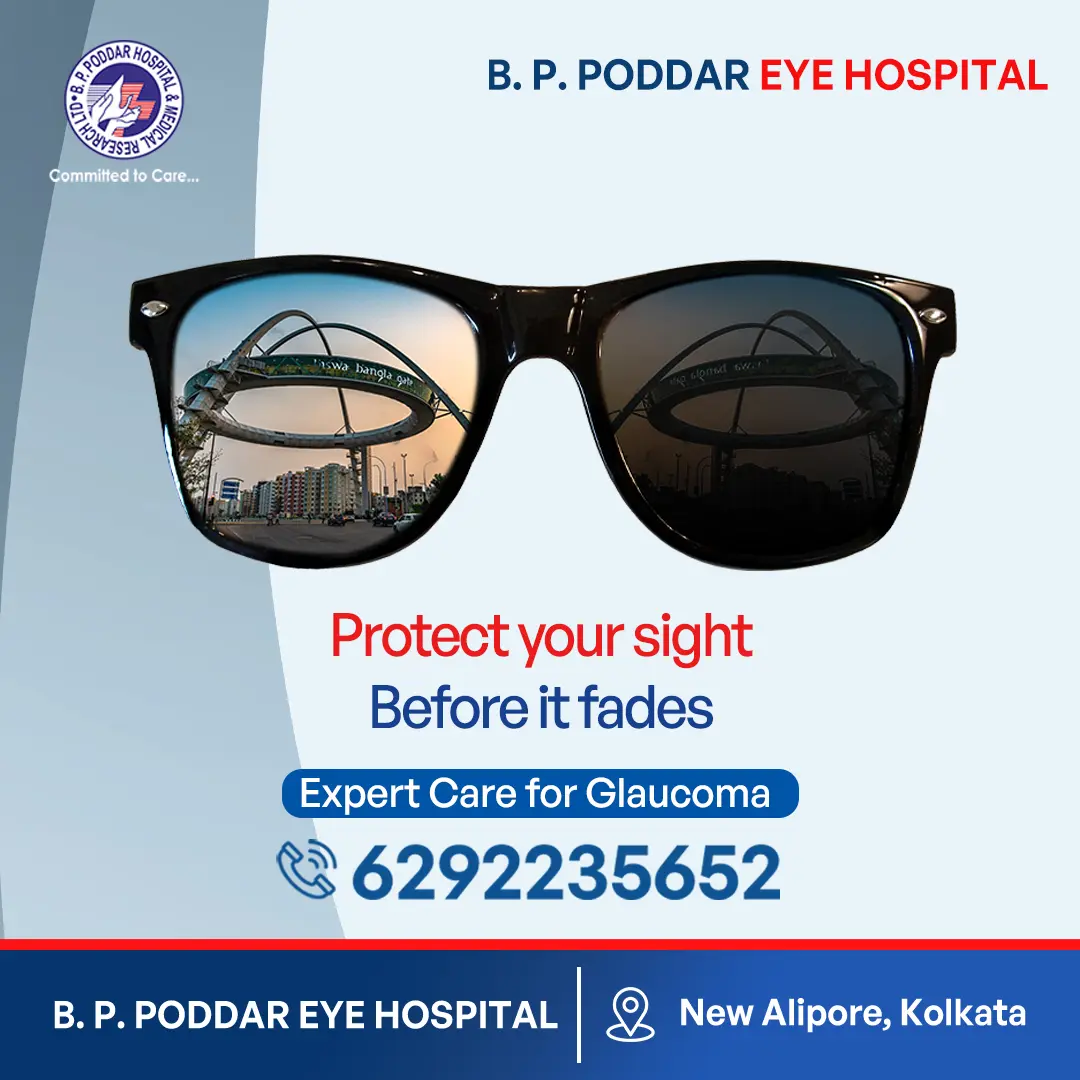
Glaucoma is a leading cause of irreversible blindness. Glaucoma can impair eyesight gradually and without any preliminary signs. By the time the symptoms appear, the loss of vision may have already become permanent.
At B. P. Poddar Eye Hospital, we focus on early glaucoma detection, accurate diagnosis, and advanced treatment and also free consultation to help preserve vision and protect long-term eye health.
What Does Glaucoma Mean?
Glaucoma is a collection of eye disorders that can damage the optic nerve, which is vital for proper vision. The optic nerve damage is usually a result of high intraocular pressure (IOP) resulting from faulty drainage of fluid in the eye.
Glaucoma, if not treated, can result in blindness.
What Are The Types of Glaucoma?
There are several types of glaucoma, including:
- Primary Open-Angle Glaucoma – The most common type; progresses slowly and painlessly
- Angle-Closure Glaucoma – Sudden increase in eye pressure; a medical emergency
- Normal-Tension Glaucoma – Optic nerve damage despite normal eye pressure
- Congenital Glaucoma – Present at birth due to developmental issues
- Secondary Glaucoma – Caused by injury, inflammation, or other eye conditions
Understanding the type of glaucoma helps determine the most effective treatment approach.
What Are The Symptoms of Glaucoma?
In its early stages, glaucoma often shows no noticeable symptoms. As the condition progresses, patients may experience:
- Gradual loss of peripheral (side) vision
- Tunnel vision in advanced stages
- Eye pain or redness (more common in angle-closure glaucoma)
- Blurred vision or halos around lights
- Headache, nausea, or vomiting (acute cases)
Regular eye examinations are the only reliable way to detect glaucoma early.
Who Is at Risk of Glaucoma?
You may have a higher risk of developing glaucoma if you:
- Are over 40 years of age
- Have a family history of glaucoma
- Have diabetes or high blood pressure
- Use steroid medications for long periods
- Have high eye pressure or thin corneas
If you fall into any of these categories, routine glaucoma screening is strongly recommended.
Diagnosis and Glaucoma Screening
Early detection through comprehensive eye exams can prevent vision loss. Glaucoma diagnosis may include:
- Eye pressure measurement (tonometry)
- Optic nerve examination
- Visual field testing
- Corneal thickness measurement
- Optical coherence tomography (OCT)
These tests help identify glaucoma even before symptoms appear.
Glaucoma Treatment Options
While glaucoma-related vision loss cannot be reversed, timely treatment can slow or stop progression. Treatment options include:
- Medicated eye drops to reduce eye pressure
- Oral medications when necessary
- Laser treatments to improve fluid drainage
- Minimally invasive glaucoma surgery (MIGS)
- Conventional glaucoma surgery for advanced cases
Treatment is personalized based on the type and severity of glaucoma.
Comprehensive Glaucoma Care
Our
ophthalmology department offers advanced glaucoma management and free consultation with a patient-centric approach. We provide:
- Early and accurate glaucoma diagnosis
- Advanced imaging and diagnostic technology
Medical, laser, and surgical glaucoma treatments
- Long-term monitoring and follow-up care
- Expert ophthalmologists and support staff
Our goal is to preserve vision and improve quality of life through timely and effective glaucoma care.
Protect Your Vision—Get Tested Today
Glaucoma may be silent, but its impact can be life-changing. Regular eye check-ups are your strongest defense against vision loss.
📞 Schedule a Free Consultation at
B.P. Poddar Eye Hospital today


 NABH Accredited Hospital