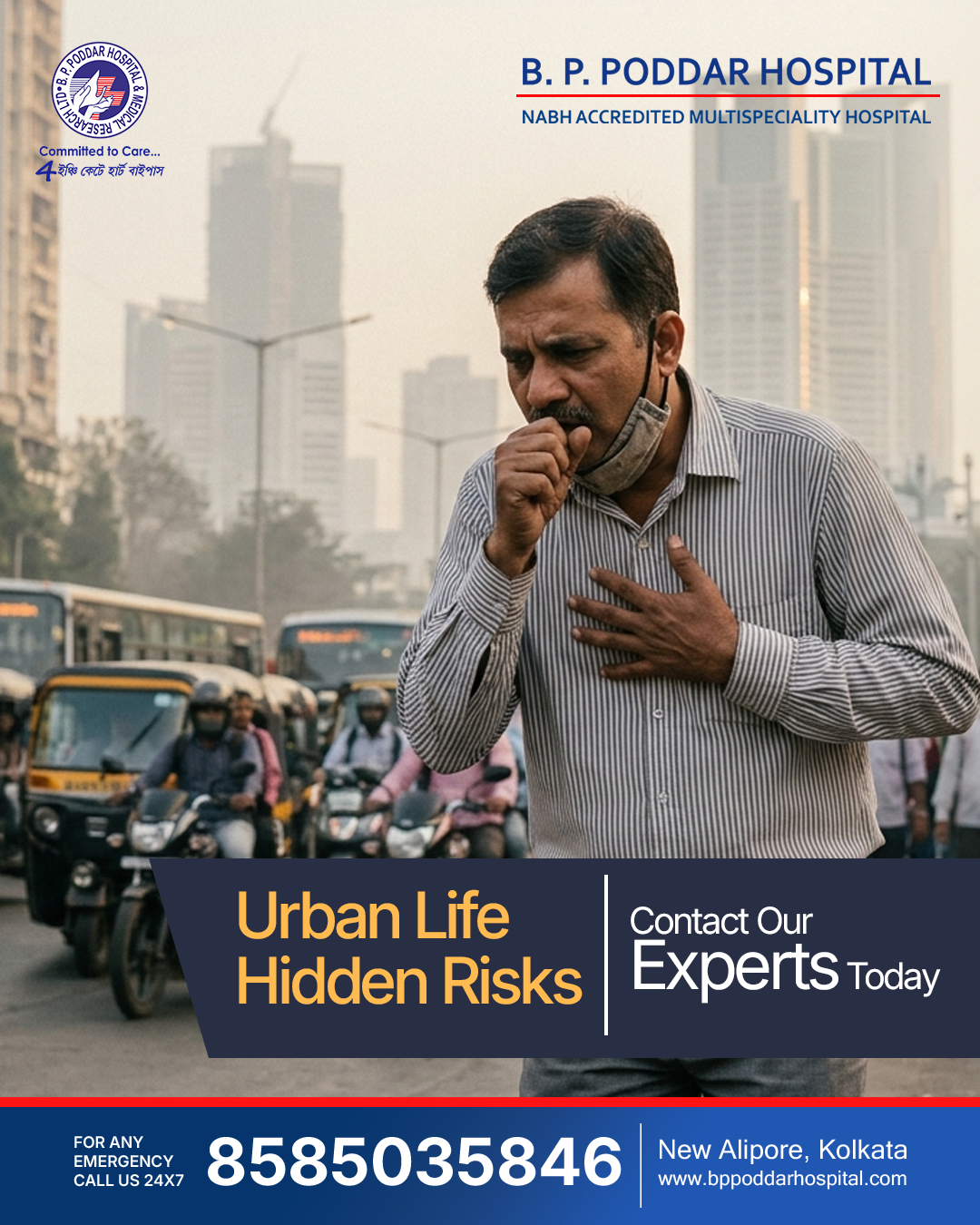
India’s Urban Health Alarm: Why Early Heart and Lung Risks Are Rising in Cities
18 April, 2026
Introduction: A Growing Urban Health Concern
Urban areas present various conveniences; however, it is imperative to consider the latent dangers that lurk beneath. According to health statistics collected recently, urban Indians are becoming increasingly susceptible to heart ailments and pulmonary disorders, even at relatively young ages.
A comprehensive study on health hazards conducted on almost 50,000 people living in 35 states and union territories indicates some shocking results. One out of every five urban Indian is at risk of suffering from cardiovascular disease, while about one-fourth is susceptible to respiratory issues.
Understanding the Numbers: What the Study Revealed
The health assessment was conducted using advanced digital tracking tools that evaluated risk patterns among urban residents.
Key Findings:
- 20% of urban Indians show early warning signs of heart disease
- 25% of individuals face respiratory health risks
- Lifestyle-related factors play a major role
- Risks are increasing even among younger populations
- Urban living patterns significantly influence long-term health outcomes
These statistics indicate that health risks are no longer limited to older adults—young professionals and middle-aged individuals are increasingly affected.
Why Urban Living Increases Health Risks
City life often brings stress, long working hours, and reduced physical activity. Over time, these habits contribute to chronic health conditions.
Major Risk Factors Include:
- Sedentary Lifestyle –Many urban workers spend long hours sitting at desks, commuting, or using digital devices. Lack of movement can lead to:
- Weight gain
- High blood pressure
- Poor heart health
- Reduced lung capacity
- Unhealthy Dietary Habits –Fast food and processed meals are commonly consumed due to busy schedules. Diets high in:
- Salt
- Sugar
- Saturated fats
Can silently damage blood vessels and increase heart disease risk.
- Air Pollution Exposure –Urban environments expose people to:
- Vehicle emissions
- Industrial pollutants
- Construction dust
Long-term exposure to polluted air significantly increases the risk of asthma, chronic lung disease, and breathing difficulties.
- High Stress Levels –Mental stress triggers hormonal changes that:
- Raise blood pressure
- Increase heart workload
- Affect breathing patterns
Together, these factors create a dangerous cycle that weakens overall health.
Early Warning Signs of Heart Disease
Heart disease often develops silently. Recognizing early symptoms can help prevent serious complications.
Common Symptoms to Watch For:
- Chest discomfort or tightness
- Shortness of breath
- Fatigue during routine activities
- Palpitations (irregular heartbeat)
- Swelling in legs or feet
Ignoring these symptoms can lead to severe conditions such as
heart attacks or heart failure.
Signs of Respiratory Health Problems –
Respiratory diseases are becoming more common in urban populations due to pollution and lifestyle changes.
Early Symptoms Include:
- Persistent cough
- Wheezing
- Breathlessness
- Frequent respiratory infections
- Reduced exercise tolerance
If untreated, these symptoms may progress into chronic lung conditions.
The Role of Preventive Healthcare
Preventive healthcare is the most effective way to detect risks before they become life-threatening.
Regular health screenings help identify:
- High blood pressure
- High cholesterol
- Blood sugar abnormalities
- Lung function issues
Early detection allows timely treatment and reduces long-term complications.
Experts emphasize that modern urban lifestyles are contributing to a cumulative health burden, making
routine health monitoring essential for early diagnosis and disease prevention.
How Lifestyle Changes Can Reduce Health Risks
Simple daily habits can significantly reduce the risk of heart and respiratory diseases.
Recommended Lifestyle Changes:
Maintain a Balanced Diet
Include:
- Fresh fruits and vegetables
- Whole grains
- Lean proteins
- Healthy fats
Avoid:
- Excess salt
- Sugary drinks
- Processed foods
Stay Physically Active
Aim for:
- At least 30 minutes of exercise daily
- Walking, cycling, or yoga
- Stretching during office hours
Improve Air Quality Awareness
Protect your lungs by:
- Wearing masks in polluted environments
- Avoiding smoking
- Using air purifiers when necessary
Manage Stress Effectively
Practice:
- Meditation
- Deep breathing exercises
- Adequate sleep (7–8 hours)
Why Regular Health Check-Ups Are Essential
Many serious diseases develop without noticeable symptoms. Routine health check-ups help detect hidden problems early.
Essential Tests Include:
- ECG (Electrocardiogram)
- Lipid Profile
- Blood Sugar Test
- Chest X-ray
- Pulmonary Function Test
- Blood Pressure Monitoring
Early diagnosis leads to better treatment outcomes and improved quality of life.
The Future of Urban Health in India
The rapid growth of Indian cities has led to a greater incidence of health problems. Failure to act in time can lead to a further increase in lifestyle diseases. According to healthcare professionals, preventive care awareness and screening tests are essential to minimizing the burden of diseases among the urban population.
Healthy living habits and routine visits for medical examinations can help in avoiding heart and lung diseases.
Conclusion: Take Action Before Symptoms Appear
The growing number of heart and lung diseases among urban Indians serves as a signal that cannot be overlooked. As one out of five people faces early signs of heart disease while one out of four is prone to respiratory problems, the need for prevention can never be overstated.
Little things done today, such as exercise, proper nutrition, and medical check-ups, will ensure good heart and lung health for many years.
Contact
B. P. Poddar Hospital & Medical Research Ltd.


 NABH Accredited Hospital