Childhood Cancer Awareness Month 2026: Understanding Childhood Cancer, Its Symptoms, Diagnosis and Treatment
3 September, 2026
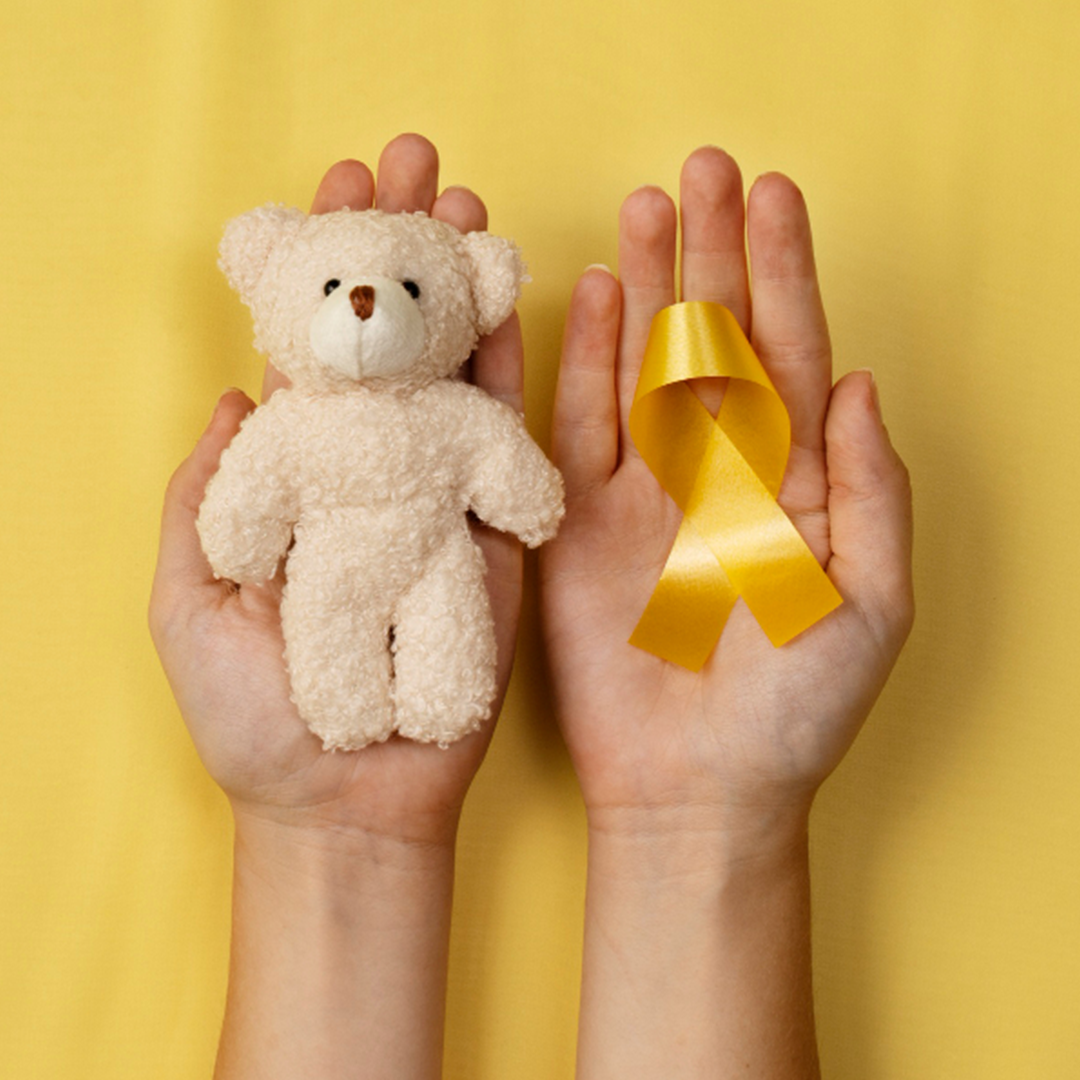
Childhood Cancer Awareness Month 2026 provides an important occasion to focus public attention on cancers occurring in children and adolescents, identify symptoms of cancer, encourage early diagnosis, and underscore the significant progress made in childhood cancer treatments.
Childhood cancer is rare in comparison with cancer in adults. However, this type of cancer is still one of the most serious health problems. The World Health Organization states that there are 400,000 new cancer cases among children and adolescents in the age group 0–19 every year. The latest IARC figures show that 275,000 children and young individuals up to 19 have been diagnosed with cancer in 2024.
It is necessary to remember that childhood cancer is not a single disease. This cancer comprises a wide range of cancers which may arise in the blood, brain, bones, lymphatic system and other body parts. With proper diagnosis, targeted treatment and appropriate care, many childhood cancers may be cured.
What Is Childhood Cancer?
Childhood cancer is defined as cancer that arises during childhood and the teenage years. Childhood cancer differs from cancer in adults in that it does not have much correlation with lifestyle and exposure.
Cancer results when there are unusual changes in cells that cause the uncontrolled multiplication of cells. Unusual cells may result in tumours or may affect the functioning of organs.
The biology of childhood cancer is quite distinct from that of adult cancer. Consequently, a child will need to undergo a special form of evaluation and treatment suited for his/her age, type of cancer, development and health conditions.
How Common Is Childhood Cancer?
Though childhood cancer is relatively uncommon, its effects on the patient as well as family could be tremendous. According to the World Health Organization, about 400,000 children and teenagers between the age of 0-19 suffer from cancer each year globally. The survival rate is highly different for diverse areas; over 80% in those with advanced services for treating childhood cancers and under 30% in developing nations owing to late diagnosis and poor access to specialized treatment. According to IARC, over 94% of childhood cancer deaths take place in Africa, Asia, South America and the Caribbean.
What Are the Most Common Childhood Cancers?
Childhood cancers differ from cancers commonly seen in adults. Some of the major types include:
- Leukemia
Leukemia is a cancer of the blood-forming tissues, particularly the bone marrow. It is among the most common cancers affecting children.
Common forms include:
- Acute lymphoblastic leukemia (ALL)
- Acute myeloid leukemia (AML)
Symptoms may include persistent fever, frequent infections, tiredness, pale skin, easy bruising or bleeding and bone or joint pain.
- Brain and Central Nervous System Tumours
Brain and other central nervous system tumours are among the most common solid cancers in children.
Depending on the location and size of the tumour, symptoms may include:
- Persistent or worsening headaches
- Repeated vomiting, particularly in the morning
- Seizures
- Problems with balance or coordination
- Changes in vision
- Behavioural or personality changes
- Weakness in an arm or leg
- Lymphoma
Lymphoma develops in the lymphatic system and includes
Hodgkin lymphoma and non-Hodgkin lymphoma.
Possible symptoms include painless swelling of lymph nodes, persistent fever, unexplained weight loss, night sweats, fatigue or abdominal swelling.
- Neuroblastoma
Neuroblastoma is a cancer that develops from immature nerve cells and is most commonly diagnosed in young children.
It may develop in the abdomen, chest or other areas and can cause a lump or swelling, abdominal discomfort, bone pain, weakness or unexplained weight loss.
- Wilms Tumour
Wilms tumour is a type of
kidney cancer that primarily affects young children.
A painless abdominal swelling or lump may sometimes be the first noticeable sign. Other symptoms can include abdominal pain, blood in the urine, fever or changes in appetite.
- Retinoblastoma
Retinoblastoma is a cancer of the retina and primarily occurs in young children.
One of the important warning signs is an unusual
white reflection in the pupil, particularly visible in photographs taken with a flash. Eye misalignment or changes in vision may also occur.
- Bone and Soft-Tissue Cancers
Cancers such as osteosarcoma and Ewing sarcoma can affect the bones, while soft-tissue sarcomas develop in muscles, connective tissues and other soft tissues.
Persistent bone pain, swelling, a growing lump or unexplained difficulty in movement should be evaluated by a healthcare professional.
The major childhood cancer groups include leukemia, brain and central nervous system tumours, lymphomas, neuroblastoma, Wilms tumour, retinoblastoma and bone and soft-tissue cancers.
What Causes Childhood Cancer?
In most cases, the exact cause of childhood cancer is
not known.
Unlike several adult cancers, most childhood cancers cannot be directly linked to lifestyle choices such as smoking, alcohol consumption or obesity.
Research suggests that genetic changes within cells play an important role in the development of childhood cancers. A relatively small proportion of children with cancer have an inherited genetic predisposition. WHO estimates that approximately
10% of childhood cancers may be associated with genetic predisposition.
Certain infections can also contribute to the risk of particular childhood cancers. However, for most children diagnosed with cancer, there is no single identifiable cause.
This is why parents should not assume that something they did or did not do caused their child's cancer.
Recognising the Warning Signs of Childhood Cancer
Childhood cancer can sometimes resemble common childhood illnesses. This can make recognition challenging.
Parents and caregivers should seek medical advice if a symptom is
persistent, unexplained, recurrent or progressively worsening.
Potential warning signs include:
- Persistent or unexplained fever
- Unusual tiredness or weakness
- Unexplained weight loss
- Persistent headaches
- Repeated vomiting
- Bone or joint pain
- Unusual lumps or swelling
- Enlarged lymph nodes that persist
- Easy bruising or unexplained bleeding
- Frequent or prolonged infections
- Changes in vision
- A white reflection in the eye
- Abdominal swelling or a persistent abdominal lump
- Difficulty walking, balancing or moving normally
- Seizures without a known cause
These symptoms
do not necessarily mean that a child has cancer. Many are caused by common childhood conditions. However, persistent or unusual symptoms deserve appropriate medical evaluation.
WHO specifically identifies symptoms such as fever, severe or persistent headaches, bone pain and weight loss among warning signs that can help support earlier recognition.
How Is Childhood Cancer Diagnosed?
There is
no single test that can diagnose every type of childhood cancer. The diagnostic approach depends on the symptoms and suspected cancer.
Doctors may begin with:
Medical History and Physical Examination
The doctor evaluates the child's symptoms, medical history, family history, growth, general health and physical findings.
Blood and Laboratory Tests
Blood tests can provide important information about blood cell counts, organ function and other abnormalities. In suspected leukemia, for example, blood tests may provide important clues.
Imaging Tests
Depending on the suspected cancer, imaging may include:
- Ultrasound
- X-ray
- CT scan
- MRI
- PET-CT in selected situations
- Other specialised imaging investigations
These tests help identify tumours, determine their location and assess whether the disease may have spread.
Biopsy
A biopsy involves obtaining a sample of abnormal tissue for examination under a microscope. In many cancers, pathology is essential for confirming the diagnosis and identifying the exact cancer type.
NCI notes that there is no single diagnostic test for cancer and that evaluation may involve medical history, physical examination, laboratory tests, imaging and biopsy depending on the clinical situation.
Bone Marrow Examination
For suspected blood cancers such as leukemia, doctors may recommend a bone marrow examination to assess abnormal blood-forming cells.
Molecular and Genetic Testing
Modern paediatric oncology increasingly uses molecular and genetic testing to understand the biological characteristics of a tumour. These tests can sometimes help doctors identify specific alterations that may influence treatment decisions.
How Is Childhood Cancer Treated?
Treatment depends on several factors, including:
- Type of cancer
- Location of the tumour
- Stage or extent of disease
- Child's age
- Overall health
- Biological and molecular characteristics of the cancer
- Whether the cancer has spread
Treatment may involve one or a combination of the following.
Chemotherapy
Chemotherapy uses medicines to destroy cancer cells or stop them from multiplying. It plays an important role in treating several childhood cancers, particularly leukemia and lymphoma, and may also be used before or after surgery for certain solid tumours.
Surgery
Surgery may be used to remove a tumour when it can be safely and effectively removed.
The surgical approach depends on the tumour's location, size, relationship with surrounding structures and the child's overall treatment plan.
Radiation Therapy
Radiation therapy uses precisely targeted radiation to destroy cancer cells.
It may be recommended for certain brain tumours, solid tumours and other cancers. Modern radiation techniques aim to deliver treatment accurately while reducing unnecessary exposure to surrounding healthy tissues.
Targeted Therapy
Some childhood cancers contain specific molecular alterations that can be targeted with specialised medicines.
Targeted treatments work differently from traditional chemotherapy and may be appropriate only for children whose cancers have particular biological characteristics.
Immunotherapy
Immunotherapy helps the body's immune system recognise and attack cancer cells. Certain immunotherapies are now part of treatment for selected childhood cancers.
Supportive Care During Childhood Cancer Treatment
Cancer treatment can affect a child's physical and emotional well-being. Supportive care is therefore an essential part of treatment.
It may include:
- Management of pain and treatment-related side effects
- Nutritional support
- Infection prevention and management
- Blood and platelet support when required
- Psychological counselling
- Physiotherapy and rehabilitation
- Support with school and education
- Emotional support for parents and siblings
Paediatric palliative care is also an important component of comprehensive cancer care. It focuses on relieving symptoms, reducing suffering and improving quality of life, whether or not treatment is being given with curative intent.
Childhood Cancer: Treatment Doesn't End With the Last Dose
Completing cancer treatment is an important milestone, but follow-up care remains essential.
Childhood cancer survivors may need regular monitoring for:
- Cancer recurrence
- Growth and development
- Organ function
- Nutrition
- Learning and cognitive development
- Emotional and psychological health
- Potential late effects of treatment
Survivorship care allows healthcare teams to monitor the child's health over the long term and address complications that may emerge after treatment.
Childhood Cancer Can Be Curable
A diagnosis of cancer can be frightening for any family, particularly when the patient is a child. However, childhood cancer treatment has progressed significantly.
According to WHO,
more than 80% of children with cancer can be cured in countries where comprehensive childhood cancer services are accessible.
The challenge is ensuring that children everywhere have access to the same opportunities for accurate diagnosis, appropriate treatment and supportive care.
WHO's Global Initiative for Childhood Cancer aims to achieve
at least
60% survival for children with cancer worldwide by 2030.
Childhood Cancer Awareness Month 2026: Why Awareness Matters
Childhood Cancer Awareness Month is about more than raising awareness about cancer. It is about understanding the power of early detection and specialized treatment in changing lives.
Awareness can enable parents to identify signs of the disease earlier. This can help to ensure that they take medical help on time. Awareness can also enable families to understand that children’s cancer is curable and that specialized care can indeed help a lot.
In Childhood Cancer Awareness Month 2026, let us strive for a world where all children suffering from cancer have access to accurate diagnosis, specialized treatment and a chance at leading a healthy life in adulthood.
When Should Parents Consult a Doctor?
Parents should consult a paediatrician or appropriate specialist if a child develops an unexplained symptom that persists, repeatedly returns or becomes progressively worse.
Do not panic at every symptom—but do not ignore persistent or unusual changes either.
Contact B. P. Poddar Cancer Hospital
Early medical evaluation does not mean that a child has cancer. It simply helps doctors identify the actual cause and provide appropriate care without unnecessary delay.


 NABH Accredited Hospital