New Research Highlights the Role of Body Clock Rhythms in Stroke Recovery
22 June, 2026
Understanding the Link Between Sleep, Body Rhythms, and Stroke Recovery
Strokes still represent one of the most common causes of disabilities in the modern world, striking millions of people each year. In spite of the importance of medical intervention and proper rehabilitation, the latest studies have shown the existence of yet another influential determinant for recovery: your biological clock.
In the recent study published in the Journal of Clinical Investigation, scientists have found that reinforcing the body's normal circadian cycles (known as the body clock) can positively influence
stroke recovery by helping the brain eliminate waste products and diminish inflammation.
What Is the Body Clock?
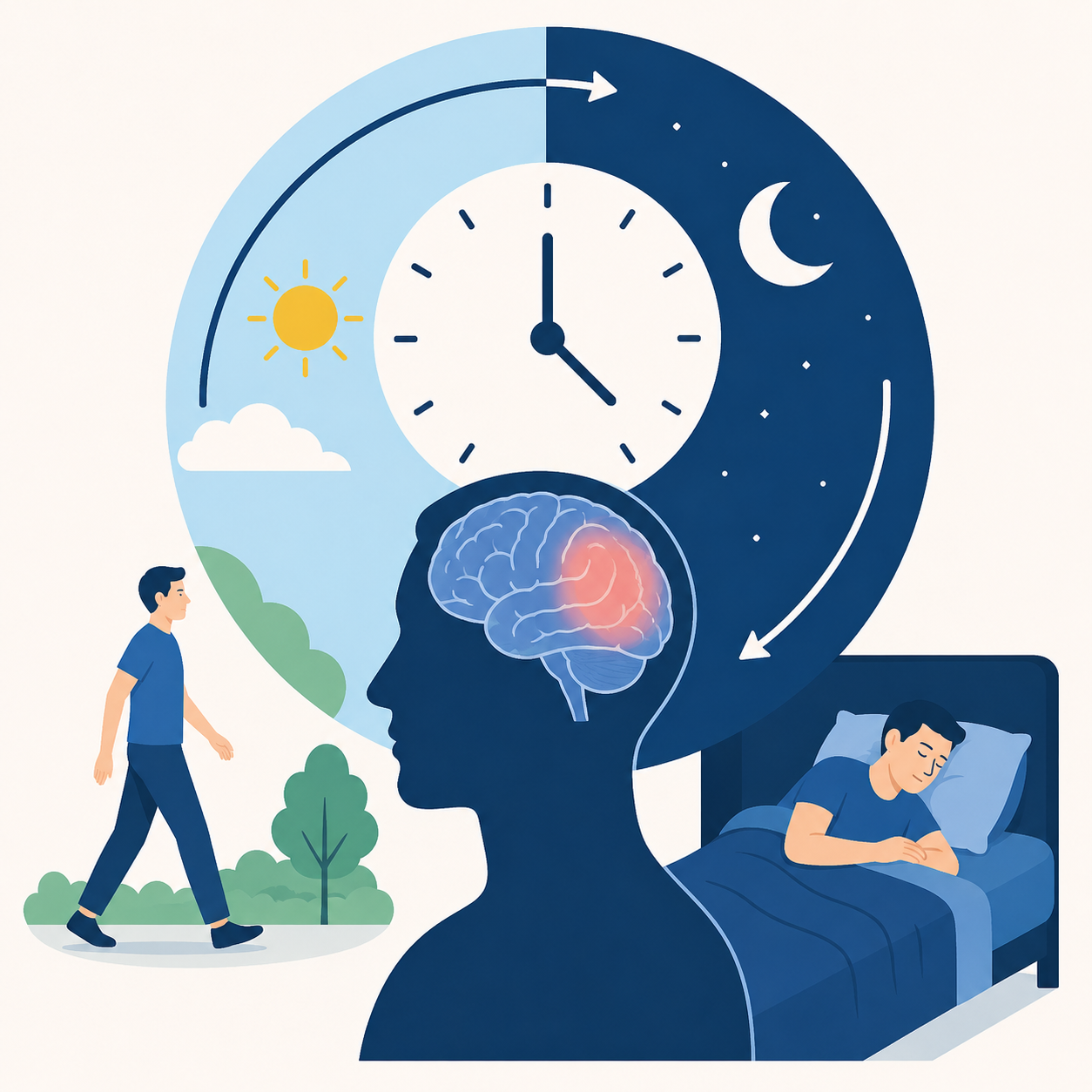
The body clock is an internal biological process running on a 24-hour cycle, regulating important processes such as:
- Sleep-wake cycles
- Hormone levels
- Body temperature
- Metabolism
- Brain functions
Disruptions to these rhythms may impact one’s overall well-being, influencing cardiovascular and neurologic processes. It is well-known to scientists that strokes occur and vary in severity depending on the time of day; most strokes occur in the mornings.
How Does the Body Clock Affect Stroke Recovery?
Many stroke patients suffer from irregular sleep-wake patterns, irregularity of their sleeping times, and disruption of their everyday routine. All these phenomena are known to lead to poor patient recovery, increase in fatigue, mental disorders, and decreased quality of life.
The recently conducted research has dealt with the link between circadian rhythms and glymphatic system function, which is a special mechanism responsible for removing different kinds of waste products from the brain. It turns out that the enhancement of circadian rhythms results in enhanced function of glymphatic system.
Key Findings of the Study
Scientists tested several methods designed to support the body's natural rhythm, including:
- Timed light exposure
- Melatonin supplementation
- Clock-targeting therapies
- Time-restricted eating schedules
In animal models, the most effective approaches resulted in:
- Better motor function recovery
- Smaller areas of brain damage
- Improved waste clearance from the brain
- Reduced inflammation after stroke
Remarkably, these benefits were observed even when treatment began several days after the stroke event, suggesting a potentially wider recovery window than previously thought.
What Does This Mean for Patients?
While the research is currently limited to animal studies and further clinical trials are needed, the findings highlight the growing importance of sleep health and circadian rhythm management during stroke rehabilitation.
Simple lifestyle habits that may support a healthy body clock include:
Maintain a Consistent Sleep Schedule -Try to go to bed and wake up at the same time every day.
Get Natural Daylight Exposure -Morning sunlight helps regulate the body's internal clock.
Follow Regular Meal Timings -Eating meals at consistent times may help maintain circadian balance.
Limit Screen Exposure Before Bed -Reducing blue light exposure at night can improve sleep quality.
Follow Your Rehabilitation Plan -Physical therapy, exercise, and medical guidance remain the cornerstone of stroke recovery.
The Future of Stroke Rehabilitation
Current advances in stroke treatment go beyond emergency management and rehabilitation of the body. Scientific studies have come to understand that sleep, biological clocks, and brain waste removal systems can be interrelated and could affect stroke recovery results.
With increasing scientific discoveries in the field of brain restoration, proper sleep and regularity in day-to-day activities will most likely become a crucial aspect of stroke recovery in the future.
When to Seek Medical Attention
If you or a loved one experiences symptoms such as sudden weakness, facial drooping, difficulty speaking, loss of balance, or sudden vision changes, seek emergency medical care immediately. Early intervention remains the most important factor in reducing stroke-related disability and improving outcomes.
Conclusion
The latest research offers an encouraging message: recovery after a stroke may be influenced not only by medical treatment but also by how well we support the body's natural biological rhythms. While more human studies are needed, prioritizing healthy sleep patterns and daily routines could one day become a valuable addition to stroke rehabilitation programs.
Your brain never stops working to heal—and helping your body clock stay on track may be one more way to support that journey.
Source -
https://health.economictimes.indiatimes.com/news/industry/reinforcing-body-clock-rhythms-may-help-brain-recover-from-stroke-study-suggests/131772641


 NABH Accredited Hospital