World Malaria Day 2026: Prevention, Awareness & the Fight against Malaria
25 April, 2026
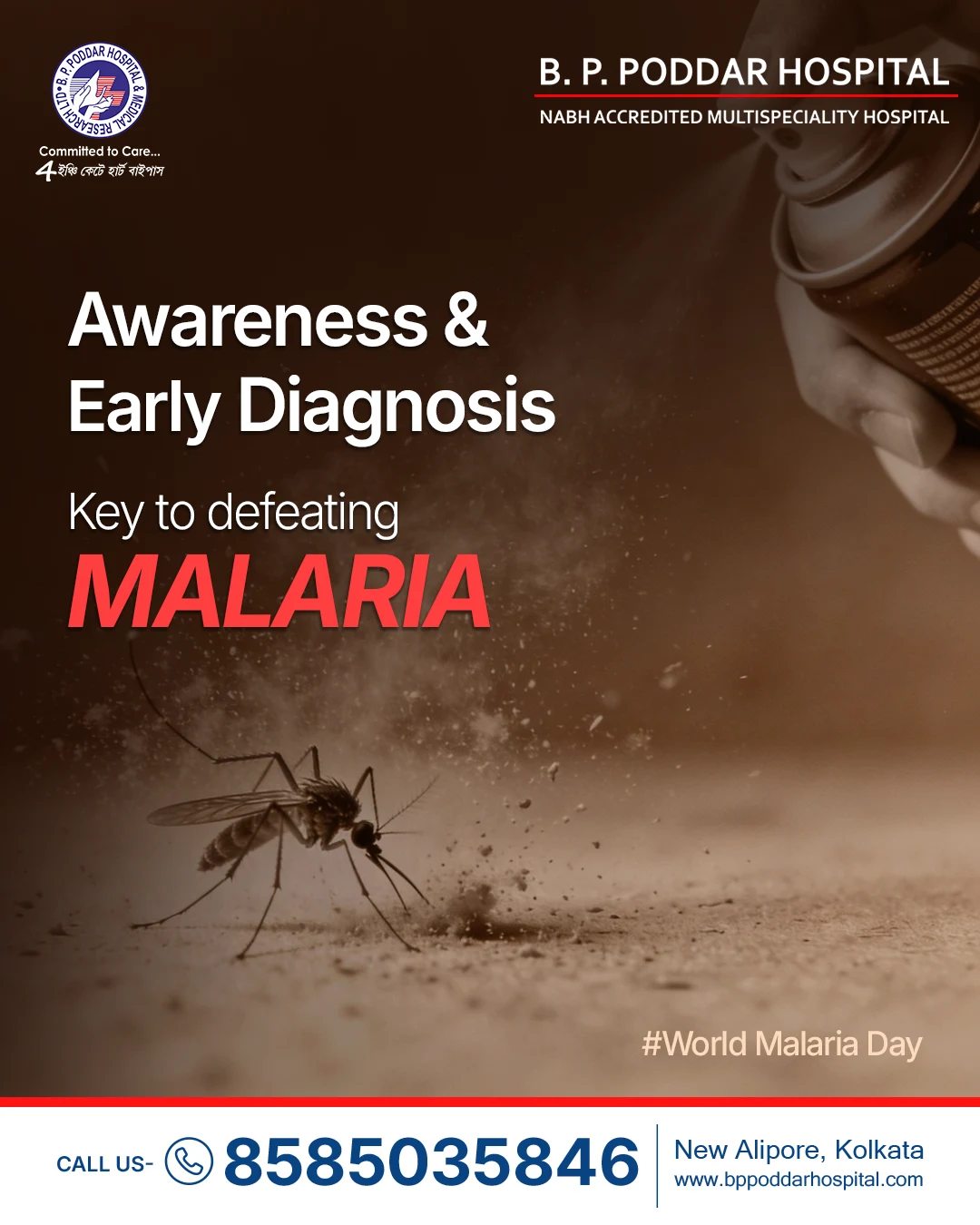
Celebrated every year on April 25, World Malaria Day reminds us of the fight that is being continuously waged against the menace of malaria. Although there have been many improvements in medicine over time, malaria remains one of the most serious issues faced by society, particularly in tropical nations like India.
Our hospital strongly believes that awareness is the best way to prevent any complication arising from the infection.
What is Malaria?
Malaria is an infection that is caused by a parasitic infection from Plasmodium parasites, which are spread to human beings via the bite of Anopheles mosquitoes.
After entering the body, the parasites will then reproduce within the liver cells and attack the red blood cells, causing varying symptoms of the infection.
Why World Malaria Day Matters
World Health Organization created World Malaria Day in an effort to educate individuals on how to prevent the spread of malaria, which is a deadly disease.
Based on data from around the world, it can be seen that malaria still impacts millions of people yearly, especially those who are young children and pregnant women.
The key goals of World Malaria Day include:
- Promoting awareness about malaria prevention
- Encouraging early diagnosis and treatment
- Supporting global malaria control initiatives
- Educating communities about mosquito control measures
- Strengthening healthcare access in high-risk regions
Common Symptoms of Malaria
Recognizing malaria symptoms early can prevent severe complications. Symptoms usually appear 10–15 days after an infected mosquito bite.
Watch for These Warning Signs:
- High fever with chills and sweating
- Headache
- Body aches and fatigue
- Nausea and vomiting
- Muscle pain
- Loss of appetite
- Shivering or rigors
- In severe cases: confusion, breathing difficulty, or seizures
If you or your family members experience these symptoms, especially after mosquito exposure, seek medical attention immediately.
How Malaria Spreads
Malaria spreads through the bite of infected female Anopheles mosquitoes, which typically bite during evening and nighttime hours.
Transmission Occurs Through:
- Mosquito bites carrying malaria parasites
- Blood transfusion from infected donors (rare)
- From mother to unborn baby (rare cases)
- Sharing contaminated needles (uncommon)
Understanding how malaria spreads helps communities adopt effective prevention measures.
Who is at Higher Risk?
Some individuals are more vulnerable to severe malaria complications.
High-Risk Groups Include:
- Children under 5 years
- Pregnant women
- Elderly individuals
- People with weakened immune systems
- Individuals living in mosquito-prone areas
- Travelers visiting malaria-endemic regions
Early protection and preventive care are especially important for these groups.
Effective Ways to Prevent Malaria
Malaria prevention primarily focuses on avoiding mosquito bites and controlling mosquito breeding.
Practical Malaria Prevention Tips
- 1. Use Mosquito Nets –Sleeping under insecticide-treated mosquito nets significantly reduces mosquito bites during nighttime.
- 2. Apply Mosquito Repellents –Use doctor-approved mosquito repellents on exposed skin, especially in the evening.
- 3. Eliminate Standing Water –Mosquitoes breed in stagnant water. Regularly clean water containers, coolers, flower pots, and drains.
- 4. Wear Protective Clothing –Wear full-sleeved shirts and long pants, particularly during dawn and dusk.
- 5. Install Window Screens –Use mosquito screens or nets on windows and doors.
- 6. Indoor Mosquito Control –Use mosquito sprays, vaporizers, or coils as recommended.
Diagnosis and Treatment of Malaria
Malaria can be diagnosed through blood tests, which detect malaria parasites in the bloodstream.
Common Diagnostic Methods
- Peripheral blood smear examination
- Rapid diagnostic tests (RDTs)
- Complete blood count (CBC)
Treatment typically involves antimalarial medications, prescribed based on the type of malaria parasite and the severity of infection.
Early treatment significantly reduces the risk of complications and improves recovery outcomes.
Possible Complications of Untreated Malaria
If not treated promptly, malaria can become severe and life-threatening.
Serious Complications May Include:
- Severe anemia
- Organ failure
- Cerebral malaria (affecting the brain)
- Respiratory distress
- Kidney failure
- Death in severe untreated cases
Prompt medical care can prevent these dangerous complications.
Malaria Prevention at Home: Community Responsibility
Preventing malaria is not just an individual effort—it requires community participation.
Community-Level Actions
- Keep surroundings clean
- Dispose of waste properly
- Ensure drainage systems are clear
- Support mosquito control programs
- Participate in health awareness campaigns
Community awareness plays a vital role in reducing malaria transmission rates.
When Should You See a Doctor?
Seek immediate medical care if:
- You have fever lasting more than 24 hours
- Fever occurs with chills and sweating
- Symptoms worsen rapidly
- A child develops high fever
- A pregnant woman experiences fever
- You recently traveled to malaria-prone areas
Early diagnosis saves lives.
Our Commitment on World Malaria Day
On World Malaria Day, our hospital reaffirms its commitment to promoting preventive healthcare, early detection, and effective treatment for malaria.
We encourage individuals and families to remain vigilant, protect themselves from mosquito bites, and seek medical care at the earliest sign of symptoms.
Together, through awareness, prevention, and timely treatment, we can move closer to a malaria-free future.
Contact
B. P. Poddar Hospital & Medical Research Ltd.


 NABH Accredited Hospital