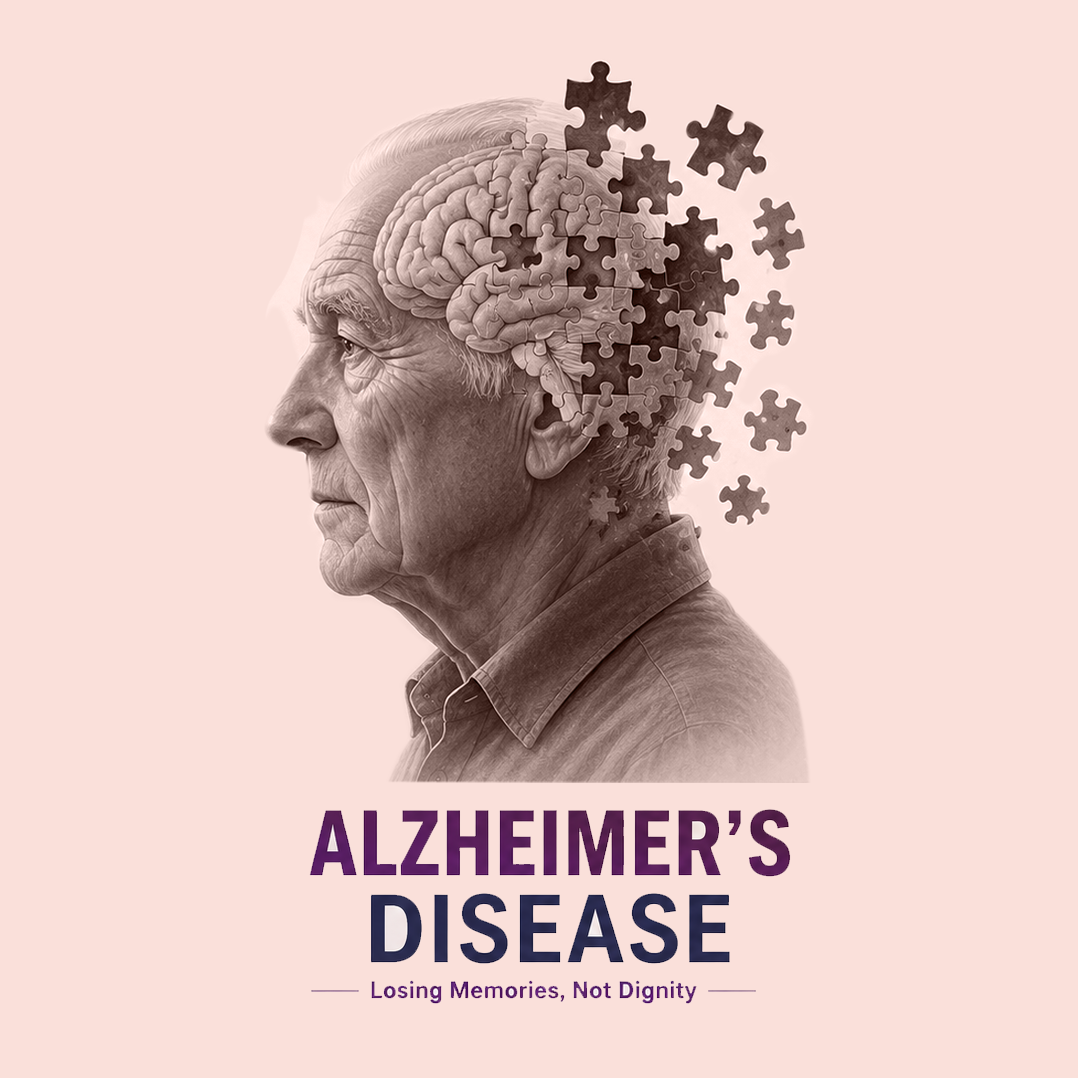
Alzheimer’s Treatment Enters a New Era in India: Why Early Diagnosis Matters More Than Ever
1 June, 2026
Alzheimer’s Treatment in India Takes a Major Step Forward
There is a notable progress in neurology being made in India with the launching of a new therapy that treats Alzheimer’s disease. The newly developed therapy, which unlike other existing drugs does not only treat the symptoms but tries to reduce the pace of Alzheimer’s disease progression in patients with early diagnosis, is called donanemab.
This launch has been met with optimism from neurologists and experts in health care since dementia cases have increased all around the world and in India because of older populations and late detection. Nevertheless, the specialists remind us of the importance of early detection, appropriate patient selection, and monitoring in order to successfully use the therapy.
Understanding Alzheimer’s Disease
Alzheimer's disease is a degenerative neurological disorder that impacts memory, thinking skills, behavior, and day-to-day functioning. It is by far the leading cause of dementia in old age.
Some of the typical symptoms are as follows:
- Memory loss that impairs normal functioning
- Hardships in communicating effectively
- Confusion about date/time/places
- Mood/personality changes
- Finding it hard to perform usual tasks
- Difficulties in decision-making
Often times, the disease manifests slowly, making its detection a difficult task.
What Makes the New Therapy Different?
Donanemab therapy is different from existing therapies targeting AD. This drug focuses on eliminating amyloid beta plaques, abnormal proteins found in the brain that contribute to cognitive impairment in Alzheimer’s disease.
Medical professionals refer to such drugs as "disease-modifying" because they can potentially slow down cognitive decline and delay the development of further complications by extending one’s ability to remember and perform functions.
Clinical trials have already revealed positive outcomes, including slowed cognitive and functional decline in early AD patients.
Why Early Diagnosis Is Critical
Neurologists emphasize that this therapy is most effective only in patients with:
- Mild cognitive impairment (MCI)
- Early symptomatic Alzheimer’s disease
- Mild dementia stages
Unfortunately, many patients in India seek medical attention only after the disease has progressed significantly. Experts believe that increasing awareness and encouraging early neurological evaluation can make a major difference in outcomes.
Early diagnosis allows:
- Better treatment planning
- Slower disease progression
- Improved quality of life
- More independence for patients
- Better support for caregivers and famili
Importance of Advanced Diagnostic Evaluation
Doctors highlight that diagnosing Alzheimer’s disease now goes beyond clinical symptoms alone. Advanced investigations may be required, including:
- Brain MRI scans
- Amyloid PET imaging
- Cerebrospinal fluid (CSF) testing
- Blood-based biomarker testing
These tests help confirm amyloid pathology and determine whether a patient is suitable for advanced therapies like donanemab.
Close Monitoring Remains Essential
While the therapy offers hope, specialists caution that it is not a cure and requires careful medical supervision.
Patients undergoing treatment may need:
- Regular neurological assessments
- Periodic MRI brain scans
- Monitoring for side effects such as brain swelling or microbleeds
- Continuous cognitive evaluation
Experts also note that proper counselling and informed decision-making are essential before initiating therapy.
The Growing Burden of Dementia in India
The incidence of dementia is likely to rise sharply in India in the coming years. Due to increased longevity and ageing population, neurodegenerative diseases such as Alzheimer’s disease have become a matter of concern from a public health perspective.
Experts in the field of healthcare are confident that education, prevention, early detection, and neurological services are critical factors for dealing with this growing menace.
When Should You Consult a Neurologist?
Signs that would require families to see a doctor are:
- Problems remembering things
- Problems thinking clearly
- Difficulties performing everyday tasks
- Behavioral problems
- Problems identifying people or objects
Consultation with a
neurologist early on will determine if these are due to aging, memory loss, or a neurodegenerative disorder which needs expert handling.
A Hopeful Future for Alzheimer’s Care
The arrival of advanced Alzheimer’s therapies in India represents a promising step toward better neurological care. While challenges such as affordability, diagnostic accessibility, and infrastructure remain, the focus is gradually shifting from symptom management to slowing disease progression and improving patient quality of life.
As awareness grows, early diagnosis and timely intervention may help patients and families navigate Alzheimer’s disease with greater hope, support, and dignity.
Source:
Alzheimer's Lormalzi therapy offers hope; doctors for early diagnosis, close monitoring, ETHealthworld


 NABH Accredited Hospital