Cardiopulmonary resuscitation (CPR) is used as Basic Life Support (BLS) to maintain the patient's circulation and breathing until enhanced life support comes. The chances of survival are higher for victims who have received prompt and appropriate BLS assistance because they will be better oxygenated and more receptive to advanced methods for resuscitation.
Any effort at recovery must start with BLS; important components include:
Cardiopulmonary Resuscitation (CPR)
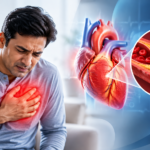
CPR is a method that can save lives. If a person's pulse and breathing have ceased, it tries to maintain blood and oxygen flowing through the body. Cardiac arrest can happen outside of hospitals, in surprising locations.
People who are having heart failure should perform CPR.
Cardiopulmonary resuscitation (CPR) is used to preserve the patient's life when the heart ceases pumping. Immediate CPR after a cardiac attack can double or treble the likelihood of life.
The CPR procedure is known as DRSABCD (also referred to as "doctors ABCD").
D stands for danger R for response S for send assistance. Airway A, Breathing B, and CPR Defibrillator [D]


 NABH Accredited Hospital