Early Signs of Heart Blockage You Should Never Ignore
26 September, 2026
A familiar flight of stairs suddenly leaves you breathless. Your chest feels heavy during a walk, but the discomfort settles when you stop. These changes can have several causes, yet they deserve attention when they are new, recurring or getting worse.
Recognising possible symptoms of reduced blood flow to the heart can help you seek assessment promptly. Some people, however, have no warning symptoms before a
heart attack. Feeling well does not always mean that the coronary arteries are healthy.
What heart blockage means
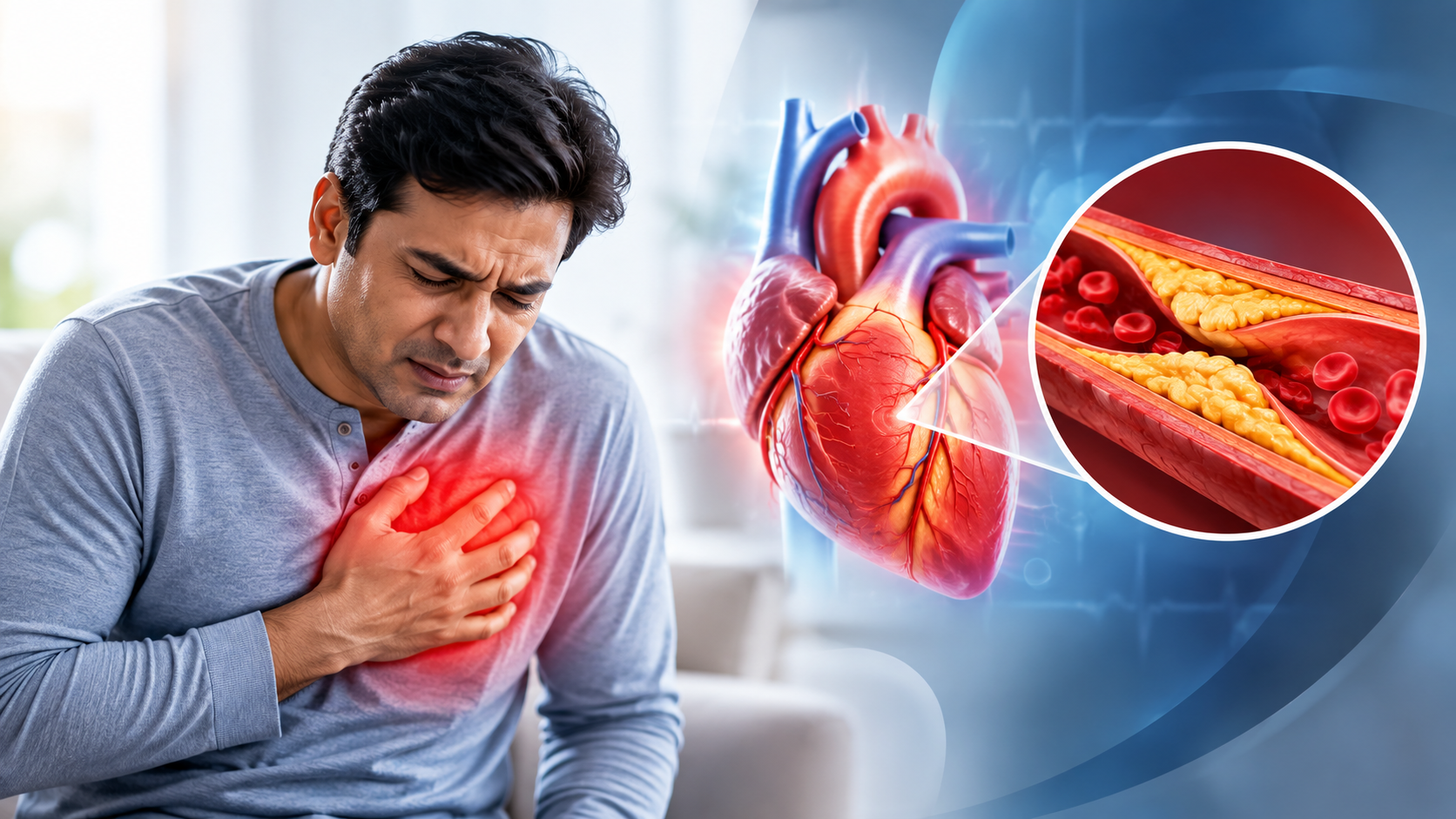
In everyday language, “heart blockage” usually means narrowing of the coronary arteries, which supply blood to the heart muscle. Fatty deposits called plaque can build up in their walls and restrict blood flow. If a plaque ruptures and a clot forms, the blood supply may suddenly fall enough to cause a heart attack.
This differs from electrical heart block, a condition in which the signals controlling the heartbeat are delayed or interrupted. The two conditions require different assessments and treatment.
Symptoms that deserve attention
- Chest pressure or heaviness. A squeezing, tight or heavy sensation may appear during walking, climbing stairs or emotional stress. Discomfort that improves with rest still needs medical assessment.
- Breathlessness during familiar activities. Becoming unusually short of breath while doing tasks you previously managed comfortably can be a warning sign, with or without chest discomfort.
- Discomfort beyond the chest. Heart-related pain can be felt in one or both arms, the shoulders, jaw, neck or back. It is not always confined to the left side.
- An unexplained drop in stamina. Persistent, unusual tiredness or difficulty keeping up with your normal routine warrants a discussion with a doctor, particularly when accompanied by breathlessness or chest discomfort.
Fatigue and breathlessness also occur with many other conditions. Symptoms alone cannot confirm a blockage or show how severe it is. A doctor needs to consider the pattern, your health history and appropriate test results.
When to seek emergency care
New or severe chest discomfort, symptoms at rest, or discomfort that persists or keeps returning may indicate a heart attack. Cold sweating, nausea, faintness or sudden breathlessness make the situation especially concerning. A heart attack can also occur without prominent chest pain.
If you suspect a heart attack, call emergency services immediately and request an ambulance. Do not drive yourself, wait for an OPD appointment or delay care while trying home remedies for acidity. You do not need to be certain of the diagnosis before seeking help.
How a cardiologist assesses possible blockage
Assessment starts with your symptoms, blood pressure, medical history and family history. Smoking, diabetes, high cholesterol and high blood pressure help determine your risk. Depending on the findings, tests may include an ECG, blood tests, a stress test, coronary CT angiography or invasive coronary angiography. Not everyone needs every test.
When a heart attack is suspected, urgent assessment usually includes an ECG and blood tests such as troponin. These blood tests may need repeating to detect changes over time.
Treatment depends on the individual
A diagnosed blockage does not automatically mean that a stent or bypass surgery is needed. Treatment may involve medicines and changes to smoking, diet, activity and other risk factors. Angioplasty with a stent or coronary bypass surgery may be advised according to symptoms, the affected arteries and the clinical situation.
Frequently asked questions
Can heart blockage be present without chest pain?
Yes. Some people have breathlessness or other symptoms, while others have no noticeable symptoms. Risk assessment remains useful even when you feel well.
Can diet and exercise replace treatment?
Healthy habits support treatment and help reduce future risk. They should not replace prescribed medicines or a recommended procedure.
Cardiac assessment at B P Poddar Hospital
For recurring symptoms or a review of your cardiac risk, consult the
Cardiology Department at B. P. Poddar Hospital, New Alipore, Kolkata. An individual assessment can guide the next steps in diagnosis and care. Symptoms suggesting a heart attack require immediate emergency treatment.


 NABH Accredited Hospital