World Lung Day 2026: Lung Health Is More Than Just Smoking
25 September, 2026
Introduction
Our breathing is only possible through the functioning of our lungs. Our lungs help us breathe oxygen, but also assist in our routine tasks like walking, exercising, or speaking.
When we talk of lung health, we tend to think about smoking as the first risk factor. Although this is certainly true, lung health is affected by many other factors apart from exposure to smoke. The pollution of air,
respiratory diseases, allergens, and occupational hazards may also affect our lungs.
World Lung Day 2026 offers us the chance to move out of the one-factor approach towards the recognition of the importance of our lungs.
Why Lung Health Matters
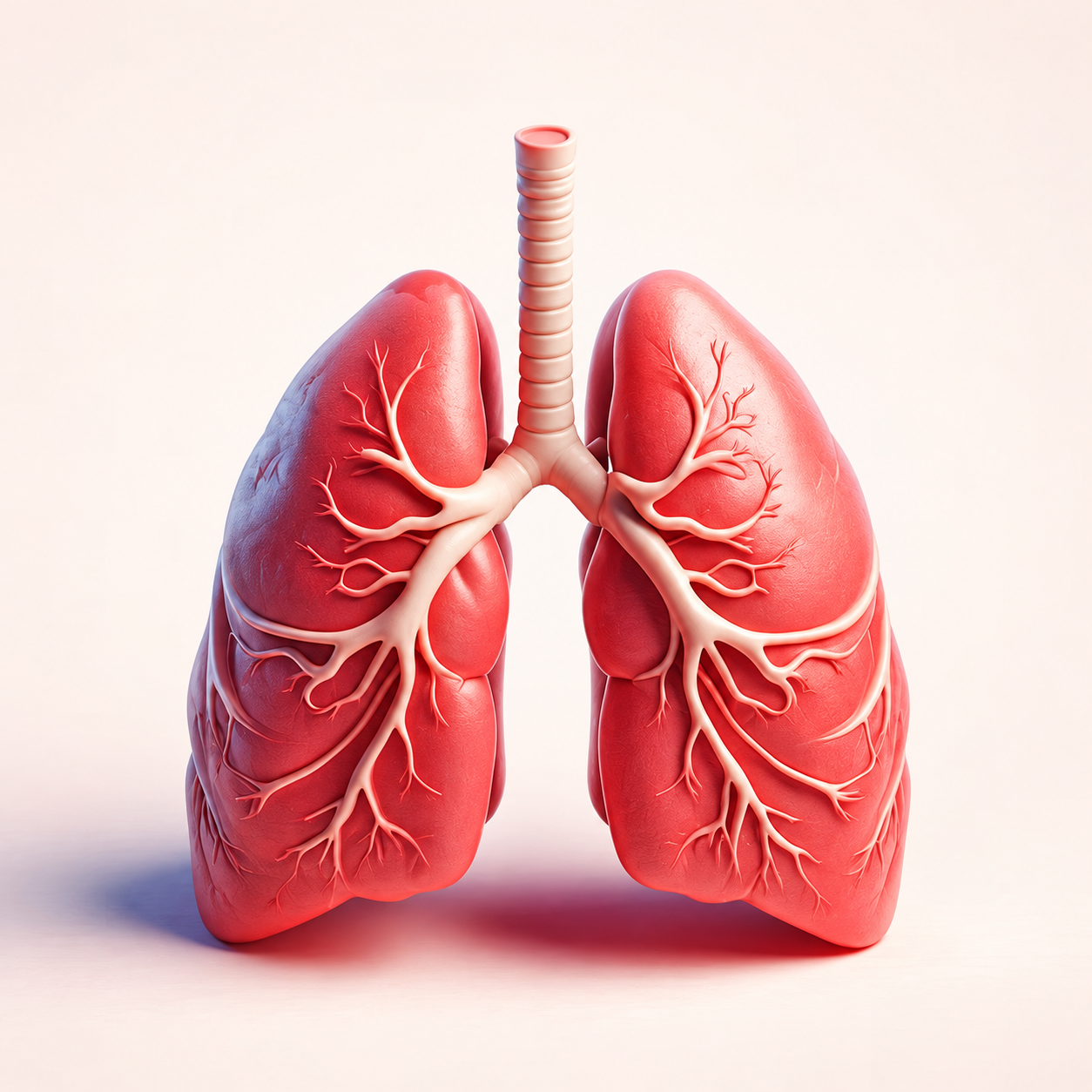
Lungs play a key role in the respiratory system. This organ brings oxygen to the body and also helps eliminate carbon dioxide through exhalation. Healthy lungs enable the body to get the oxygen it requires.
When the functioning of the lungs is hampered, the individual may exhibit symptoms such as coughing, wheezing, breathlessness, or inability to engage in strenuous activities. The onset of some respiratory illnesses may be gradual; thus, one should not overlook any breathing changes.
It is therefore vital to take care of one's lungs to ensure overall good health.
Lung Health Is More Than Just Smoking
Smoking is a well-known risk factor for several lung and respiratory conditions. However, people who do not smoke can also experience lung-related health problems.
- Air Pollution
Outdoor and indoor air pollution can expose the respiratory system to harmful particles and irritants. Traffic emissions, industrial pollution, smoke and other pollutants can affect air quality and may contribute to respiratory problems.
Reducing exposure to polluted air whenever possible and paying attention to local air-quality conditions can support better respiratory health.
- Respiratory Infections
Viruses, bacteria and other infectious agents can affect the respiratory system. Some infections may cause temporary symptoms, while others can lead to more serious complications, particularly in vulnerable individuals.
Good respiratory hygiene, appropriate vaccination as advised by healthcare professionals and timely medical attention for concerning symptoms can help reduce health risks.
- Allergens
Dust, pollen, mould, animal dander and other allergens can trigger respiratory symptoms in susceptible individuals. Allergic reactions may lead to coughing, sneezing, wheezing or breathing difficulties.
Identifying personal triggers and reducing exposure can be helpful for people who experience allergy-related respiratory symptoms.
- Occupational Exposure
Certain workplaces may expose people to dust, fumes, chemicals or other substances that can affect respiratory health. Construction, manufacturing, mining, agriculture and some industrial occupations may involve such exposures.
Using appropriate protective equipment and following workplace safety measures can help reduce unnecessary exposure.
- Lifestyle and Environmental Factors
Our everyday environment can also influence respiratory well-being. Exposure to tobacco smoke, indoor pollutants and other irritants may place additional stress on the respiratory system.
Creating cleaner indoor spaces, avoiding second-hand smoke and maintaining an active lifestyle can form part of a broader approach to healthy living.
Signs That Should Not Be Ignored
Changes in breathing should not always be dismissed as temporary or insignificant. Depending on the cause, symptoms may include:
- Persistent or recurring cough
- Shortness of breath
- Wheezing
- Chest discomfort
- Difficulty breathing during usual activities
- Recurrent respiratory infections
- Unexplained reduction in exercise tolerance
Persistent, worsening or concerning symptoms should be evaluated by a healthcare professional rather than self-diagnosed.
How Can You Protect Your Lung Health?
Protecting your lungs does not require a single action. Small, consistent steps can contribute to healthier respiratory habits.
Avoid tobacco smoke: Do not smoke, and avoid exposure to second-hand smoke whenever possible.
Be aware of air quality: Limit exposure to heavily polluted environments when practical and follow appropriate precautions.
Protect yourself at work: If your occupation involves dust, fumes or chemicals, use recommended protective equipment and follow workplace safety guidelines.
Manage allergies: Identify known triggers and follow medical advice if allergies regularly affect your breathing.
Stay physically active: Regular physical activity supports overall cardiovascular and respiratory fitness, when appropriate for your health.
Pay attention to symptoms: Do not ignore persistent coughing, breathlessness or other changes in breathing.
Seek medical advice when needed: Early assessment can help identify the possible cause of persistent respiratory symptoms and guide appropriate care.
Make Every Breath Count
Lung health is not only a concern for people who smoke. The air we breathe, the environments we work and live in, infections, allergens and several other factors can influence respiratory health.
This
World Lung Day 2026, let’s broaden the conversation around lung health and recognise the many factors that can affect our ability to breathe well.
Know your risks. Protect your lungs. Take care of every breath.
At
B. P. Poddar Hospital& Medical Research Ltd., we believe that awareness is an important step towards better health.


 NABH Accredited Hospital