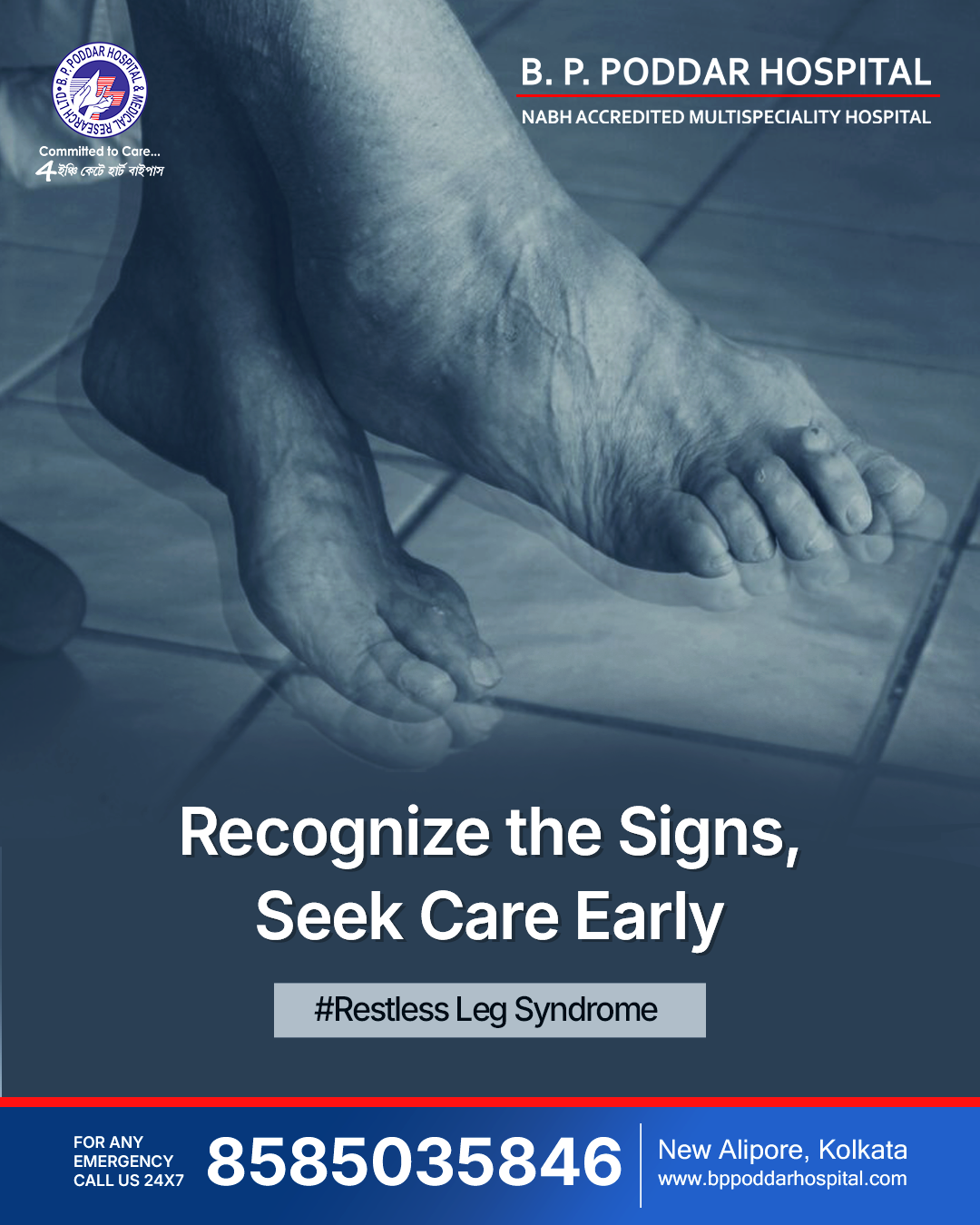
Parkinson’s Risk May Rise with Restless Legs Syndrome: Early Signs, Risk Factors, and Management
1 May, 2026
Introduction
Although many individuals view Restless Legs Syndrome (RLS) as a simple problem related to their sleeping cycle, there is now some evidence to support the possibility that it may actually be a precursor to more dangerous diseases such as Parkinson's disease. Not all individuals who suffer from RLS eventually develop Parkinson's, but the symptoms of RLS can predispose an individual to this disease later in life.
It is important to identify and understand the early symptoms of Restless Legs Syndrome.
What is Restless Legs Syndrome (RLS)?
Restless Legs Syndrome is a neurological disorder that causes the irresistible need to move one’s legs, along with uncomfortable sensations like tingling or itching. The symptoms usually manifest themselves during moments of rest, especially during the evenings and nights.
A number of people find that moving their legs provides temporary relief from the uncomfortable sensations. Nevertheless, once the body is still, the symptoms resurface again. Moreover, restless legs syndrome is also known to cause sleep disorders.
How is Restless Legs Syndrome Linked to Parkinson’s disease?
New studies have found that people with Restless Leg Syndrome may have an elevated chance of getting Parkinson’s disease, especially if the symptoms are severe and frequent. According to some studies, RLS symptoms appearing more than once a month might actually be one of the early signs of Parkinson’s disease rather than an independent disorder.
The two diseases have a similar brain chemistry composition; for example, dopamine is one of the essential neurotransmitters involved in motor control. Abnormal levels of dopamine are associated with both diseases.
This relationship between RLS and Parkinson’s disease does not imply that Restless Leg Syndrome always results in Parkinson’s disease.
Early Signs and Symptoms of Restless Legs Syndrome
Recognizing the early symptoms of RLS can help prevent complications and improve sleep quality. Common signs include:
- Tingling, crawling, or itching sensations in the legs
- Strong urge to move the legs, especially during rest
- Symptoms that worsen in the evening or night
- Temporary relief after movement or stretching
- Difficulty falling asleep or staying asleep
- Daytime fatigue and reduced concentration
These symptoms may vary in intensity and frequency, but persistent sleep disruption is one of the most noticeable effects of the condition.
Risk Factors for Restless Legs Syndrome
Several factors can increase the likelihood of developing RLS. These include:
- Iron Deficiency –Low iron levels in the body are strongly linked to RLS and may worsen symptoms over time.
- Genetics –Family history plays an important role, especially when symptoms begin at a younger age.
- Chronic Medical Conditions –Conditions such as kidney disease, diabetes, and neurological disorders can increase the risk of RLS.
- Pregnancy –Hormonal changes during pregnancy may trigger or worsen symptoms, particularly in the later stages.
- Age and Gender –Older adults and women are more commonly affected by RLS compared to other groups.
Why Early Diagnosis Matters
It is important for the early detection of RLS in order to improve sleeping habits and avoid further health complications that may be associated with RLS. Untreated RLS can seriously impair the ability of the individual to function on a daily basis and also their moods. Early detection of RLS will make it easy for clinicians to check on one’s neurological well-being and any possibility of Parkinson’s disease.
Management and Treatment Options
Restless Legs Syndrome can often be managed effectively with lifestyle modifications and medical treatments.
Lifestyle Modifications
Simple daily changes can help reduce symptoms:
- Maintain regular sleep patterns
- Engage in moderate physical activity
- Reduce caffeine and alcohol intake
- Practice relaxation techniques
- Maintain a balanced diet
These measures can significantly reduce symptom frequency in mild to moderate cases.
Medical Treatment
When lifestyle changes are not enough, doctors may recommend medications such as:
- Dopamine-related medications
- Anticonvulsant drugs
- Iron supplements (for iron deficiency)
- Other medications for severe cases
Treatment plans are individualized based on symptom severity and underlying causes.
When Should You See a Doctor?
You should consult a healthcare professional if:
- Symptoms occur frequently
- Sleep disturbances affect daily life
- Leg discomfort becomes severe
- Symptoms worsen over time
- You experience other neurological symptoms
Early medical consultation ensures accurate diagnosis and timely treatment.
Preventive Tips for Better Neurological Health
While not all cases of RLS can be prevented, adopting healthy lifestyle habits can lower risk and improve outcomes:
- Maintain healthy iron levels through proper nutrition
- Exercise regularly
- Avoid excessive caffeine and alcohol
- Manage chronic illnesses effectively
- Prioritize quality sleep
These preventive steps support both neurological health and overall well-being.
Conclusion
Restless Legs Syndrome does not simply pertain to a sleep disorder but could actually serve as an early sign of neurological problems. The growing evidence about severe Restless Legs Syndrome and the increased probability of developing Parkinson’s disease indicates the importance of early diagnosis and treatment.
Gaining knowledge on the various aspects of Restless Legs Syndrome will prove beneficial towards taking precautionary measures that could prevent any neurologic problems. If anyone exhibits signs and symptoms related to RLS, it would help if medical assistance were sought right away.
Contact
B. P. Poddar Hospital & Research Ltd.


 NABH Accredited Hospital