Ankylosing Spondylitis Day: Understanding, Early Detection & Better Spine Care
3 May, 2026
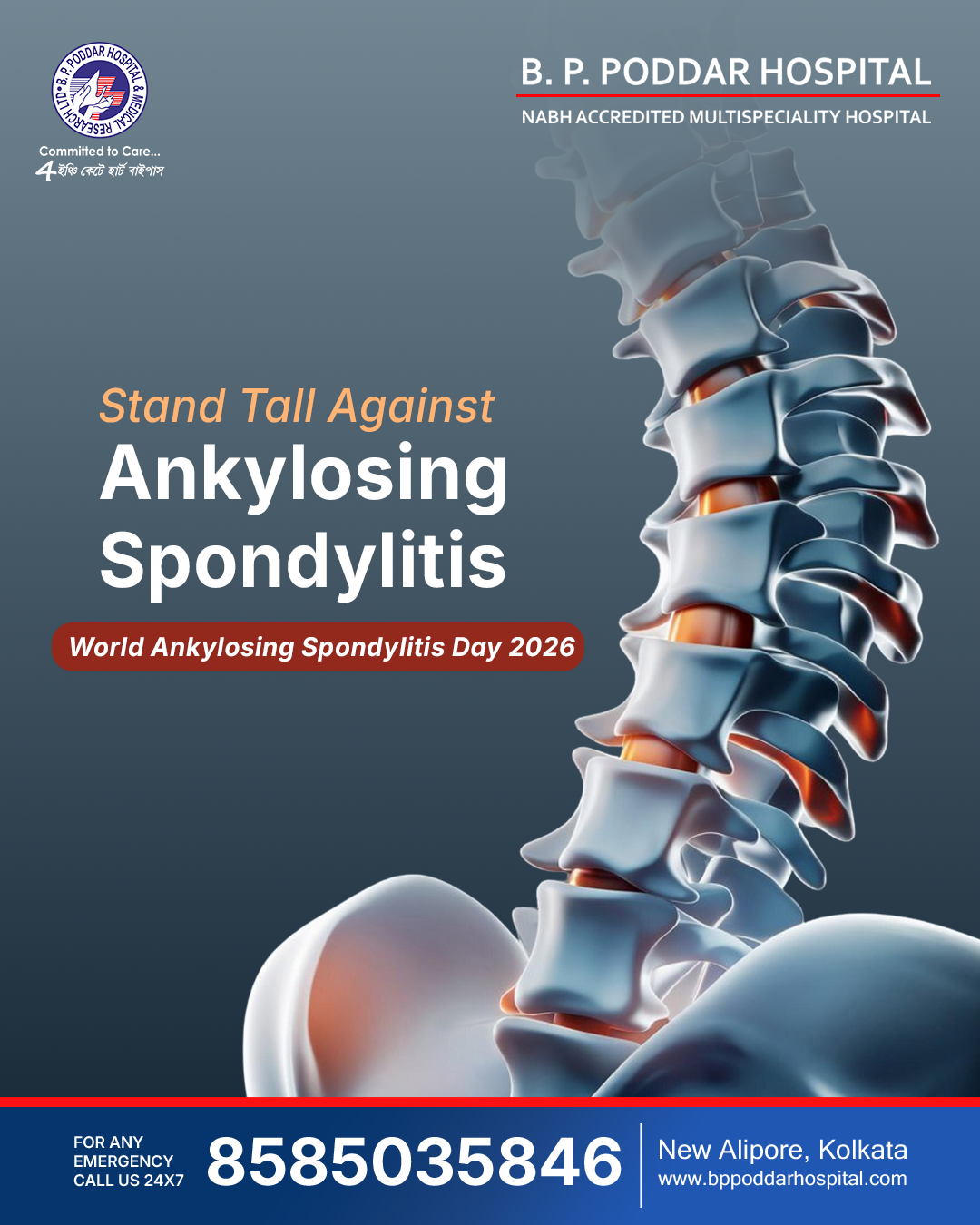
Every year, Ankylosing Spondylitis (AS) Day is observed to bring into focus a chronic inflammatory condition that mostly targets the spinal column and sacroiliac joints. In our institution, our objective is to encourage timely diagnosis and appropriate therapy among other measures to improve patient outcomes.
What is Ankylosing Spondylitis?
Ankylosing Spondylitis is one form of inflammatory arthritis where there will be pain and stiffness in the joints in the spine. With time, due to inflammation, there may be fusion of bones leading to hunched posture.
Common Symptoms to Watch For
AS often begins in early adulthood and may be mistaken for general back pain.
- Persistent lower back pain and stiffness, especially in the morning
- Pain that improves with movement, not rest
- Hip or shoulder pain
- Fatigue and reduced mobility
- Gradual loss of spinal flexibility
If you notice these symptoms lasting more than 3 months, consult a specialist.
Causes and Risk Factors
Although the precise cause of AS remains undetermined, it appears to be closely associated with one’s genes. Risk factors include:
- Having family members with AS
- Gender – males are more susceptible, but females may still develop AS
- Age – onset usually occurs between 15-40 years of age
Why Early Diagnosis Matters
Early detection can prevent severe complications like spinal fusion and disability. Diagnosis may involve:
- Clinical evaluation by specialists
- Imaging tests (X-ray, MRI)
- Blood tests for inflammation markers
Timely care helps maintain posture, mobility, and independence.
Treatment & Management Options
Though there is no treatment for AS, it can be well-managed through a proper approach:
Medication
- Nonsteroidal anti-inflammatory drugs for pain and inflammation
- Biological agents for severe conditions
Physiotherapy/Exercise
- Stretching exercises and maintaining good posture
- Exercises for spinal strength
Lifestyle Changes
- Sustaining an active life style
- Avoiding long periods of sitting
- Good posture
Living Well with Ankylosing Spondylitis
With proper care, people with AS can lead active and fulfilling lives. Consistency in treatment, awareness, and support are key.
Our Commitment on Ankylosing Spondylitis Day
On this important day, our hospital emphasizes:
- Early screening for chronic back pain
- Patient education and awareness programs
- Comprehensive spine care and rehabilitation
Don’t ignore persistent back pain—especially if it improves with activity. Early consultation can make a significant difference in long-term outcomes.
Contact
B. P. Poddar Hospital & Medical Research Ltd. for expertise consultation.


 NABH Accredited Hospital