Don’t Ignore the Warning Signs: When Your Heart Could Be Asking for Help
8 August, 2026
Heart disease remains one of the leading causes of death worldwide, but many serious cardiac conditions can be treated successfully when diagnosed early. Unfortunately, people often dismiss the early warning signs as stress, acidity, fatigue or simply "getting older." Delaying medical attention can increase the risk of complications, including a heart attack or heart failure.
Recognizing the symptoms early and seeking prompt medical care can make a significant difference. At B.P. Poddar Hospital & Medical Research Ltd., our experienced cardiologists and 24×7 emergency cardiac services are dedicated to providing timely diagnosis and advanced treatment when every second matters.
Why Early Detection Matters
The heart always works in pumping oxygen-filled blood into your body. In times of stress and diseases, the heart will definitely give you symptoms. Neglecting these signs means that there could be something serious about to happen to your heart while early examination can save you from this risk.
It could be a problem with coronary artery disease, an irregular heartbeat, a valve disease or even heart failure among others.
Warning Signs You Should Never Ignore
1. Chest Pain or Discomfort
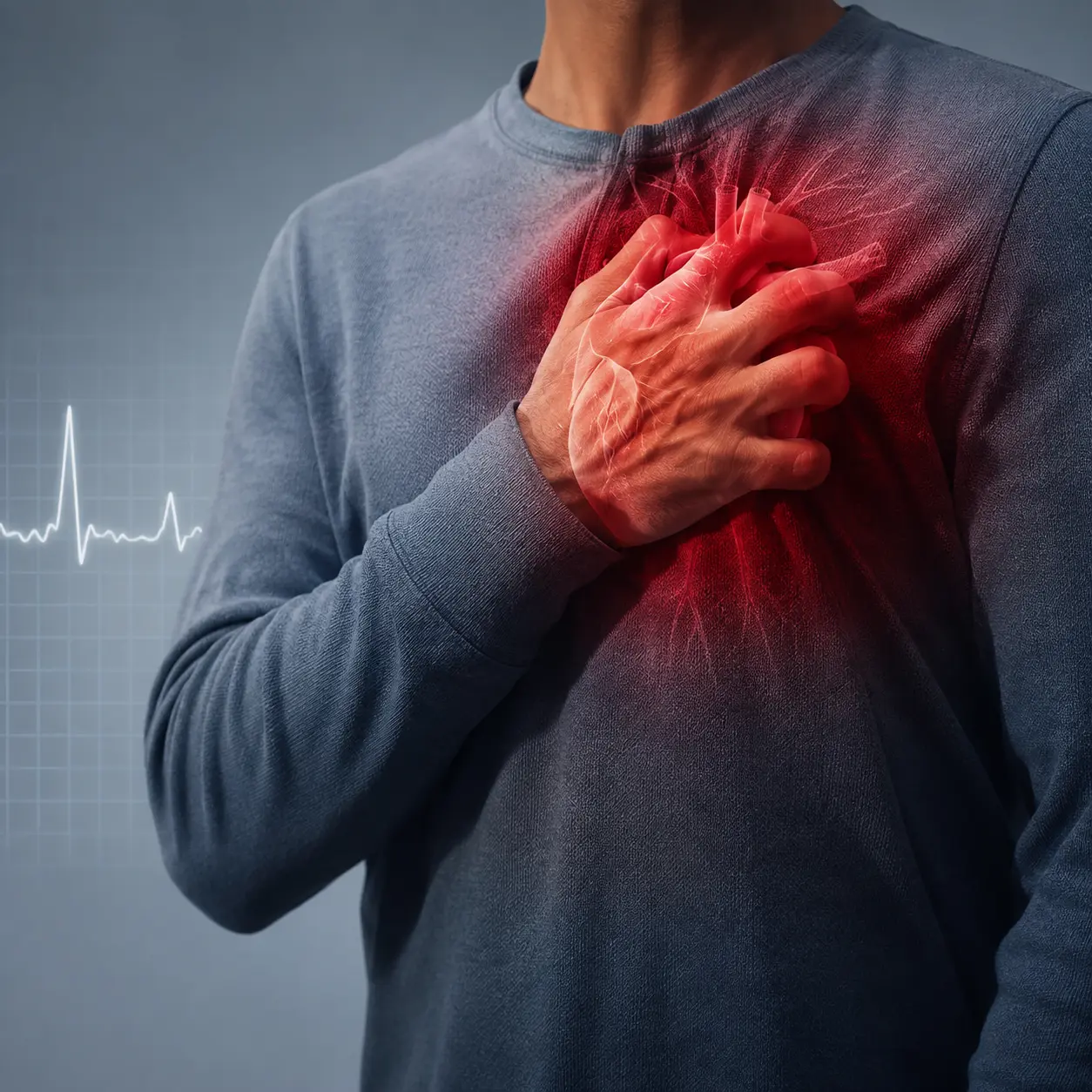
Chest pain is one of the most recognized symptoms of a heart problem, but it doesn't always feel severe. It may present as pressure, heaviness, tightness, burning or squeezing in the chest. Some people also experience discomfort that spreads to the shoulders, arms, neck, jaw or back.
While not every episode of chest pain is related to the heart, it should never be ignored—especially if it occurs during physical activity or is accompanied by sweating, nausea or breathlessness.
2. Shortness of Breath
Feeling unusually breathless during routine activities or while resting may indicate that your heart is struggling to pump blood efficiently.
Shortness of breath can be associated with conditions such as:
- Coronary artery disease
- Heart failure
- Heart valve disorders
- Certain abnormal heart rhythms
If breathing suddenly becomes difficult or worsens rapidly, immediate medical attention is essential.
3. Palpitations
Occasional awareness of your heartbeat may be harmless, but persistent or sudden palpitations deserve medical evaluation.
You may notice:
- A racing heartbeat
- Fluttering sensations
- Skipped beats
- Irregular heart rhythm
These symptoms may be caused by stress or caffeine, but they can also indicate cardiac arrhythmias that require diagnosis and treatment.
4. Unexplained Fatigue
Feeling unusually tired despite adequate rest should not always be attributed to a busy lifestyle.
Persistent fatigue can sometimes be an early sign of reduced heart function, particularly when accompanied by breathlessness or reduced exercise tolerance. If daily activities suddenly become more exhausting than usual, it is advisable to consult a cardiologist.
5. Dizziness or Fainting
Frequent dizziness, light-headedness or episodes of fainting may occur when the brain does not receive enough blood flow.
Possible cardiac causes include:
- Abnormal heart rhythms
- Structural heart disease
- Low blood pressure due to heart conditions
Because fainting can sometimes signal a serious underlying problem, it should always be evaluated by a medical professional.
Who Is at Higher Risk of Heart Disease?
Although heart disease can affect anyone, certain factors increase the risk, including:
- High blood pressure
- Diabetes
- High cholesterol
- Smoking or tobacco use
- Obesity
- Sedentary lifestyle
- Family history of heart disease
- Chronic stress
- Advancing age
If you have one or more of these risk factors, regular cardiac health check-ups become even more important.
How Early Diagnosis Can Save Lives
Modern cardiology offers advanced diagnostic tools that help identify heart conditions before they become critical.
Depending on your symptoms, your cardiologist may recommend:
- Electrocardiogram (ECG)
- Echocardiography (2D Echo)
- Treadmill Test (TMT)
- Holter Monitoring
- Blood investigations
- Coronary Angiography or other advanced cardiac imaging when indicated
Timely diagnosis allows treatment to begin sooner, reducing the risk of heart attack, stroke and long-term heart damage.
Simple Ways to Protect Your Heart
- Maintaining good heart health starts with everyday choices.
- Eat a balanced, heart-healthy diet.
- Exercise regularly as advised by your doctor.
- Keep blood pressure, diabetes and cholesterol under control.
- Avoid smoking and limit alcohol intake.
- Maintain a healthy body weight.
- Get adequate sleep.
- Manage stress through relaxation techniques and regular physical activity.
- Never ignore persistent or unusual symptoms.
When Should You Seek Emergency Care?
Seek immediate emergency medical attention if you experience:
- Sudden chest pain lasting more than a few minutes
- Chest pain spreading to the arm, jaw, neck or back
- Severe shortness of breath
- Sudden collapse or loss of consciousness
- Chest discomfort accompanied by sweating, nausea or vomiting
Early treatment during a heart attack can significantly improve survival and reduce permanent damage to the heart.
Comprehensive Cardiac Care at B.P. Poddar Hospital
At
B.P. Poddar Hospital & Medical Research Ltd., we provide comprehensive cardiac care through
experienced cardiologists, advanced diagnostic technology and 24×7
emergency cardiac services, Round the Angiography. We have Two dedicated 4th Gen Cath labs and CTVS OT. From preventive heart check-ups and diagnostic evaluations to emergency interventions and ongoing cardiac care, our multidisciplinary team is committed to delivering timely, evidence-based treatment tailored to every patient's needs.


 NABH Accredited Hospital