How Gut Health May Influence Muscle Strength and Fall Risk in the Elderly: What the Latest AIIMS Study Reveals
20 May, 2026
Ageing is usually accompanied by muscle weakness, difficulty in movement, and an increased likelihood of falls. Yet, according to a new study carried out at the All India Institute of Medical Sciences (AIIMS), the issue might not be related only to the process of ageing. The scientists have established a strong link between gut health and muscle weakness in elderly individuals.
Understanding the “Gut-Muscle Axis”
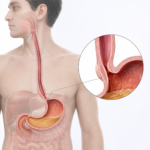
The human gut harbors trillions of microorganisms, together referred to as the human gut microbiome. They play essential roles in digestion, boosting immunity, absorbing nutrients, and suppressing inflammation. Researchers have recently discovered that humans not only interact with their gut through the “gut-brain” axis but also via the “gut-muscle” axis.
As per the study by AIIMS, elderly people affected by sarcopenia, characterized by muscle wastage due to aging, had a lesser variety of gut microbiome as compared to elderly patients without any muscle-related disorders.
This imbalance in gut bacteria may contribute to:
- Reduced muscle strength
- Poor balance and mobility
- Increased inflammation
- Higher risk of falls and fractures
- Reduced physical independence in seniors
Why Muscle Weakness in the Elderly Is a Serious Concern
Falls are one of the leading causes of injury among senior citizens. Weak muscles and poor coordination can significantly affect quality of life and increase hospitalization risks.
Research suggests that unhealthy gut bacteria may reduce the body’s ability to absorb essential nutrients such as:
- Protein
- Vitamin D
- Calcium
- Magnesium
These nutrients are crucial for maintaining muscle mass and bone strength.
What the AIIMS Researchers Found
This study, which was published in the journal Geriatrics & Gerontology International, looked at older adults and investigated the differences between the gut microbiomes of those affected by sarcopenia and those without sarcopenia. The results showed that older adults suffering from muscle wasting had much lower microbial diversity.
It can therefore be seen that this new research reinforces a growing body of evidence around the world indicating that gut health could very well play an important role in determining overall muscle strength.
Signs of Muscle Loss and Frailty in Older Adults
Families and caregivers should watch for common symptoms such as:
- Difficulty walking or climbing stairs
- Frequent imbalance or falls
- Reduced grip strength
- Fatigue during routine activities
- Loss of muscle mass
- Slower movement and mobility
Early medical evaluation can help prevent complications and improve long-term outcomes.
How to Improve Gut Health and Muscle Strength Naturally
While research is still evolving, doctors recommend several lifestyle habits that may support both
gut and muscle health in the elderly.
- Eat a Gut-Friendly Diet
Include foods rich in fiber and natural probiotics such as:
- Curd and yogurt
- Fruits and vegetables
- Whole grains
- Fermented foods
- Lentils and protein-rich meals
- Stay Physically Active
Regular physical activity, especially strength and balance exercises, can help preserve muscle mass and reduce fall risk.
- Avoid Unnecessary Antibiotics
Excessive antibiotic use may disturb healthy gut bacteria and negatively affect digestion and immunity.
- Prioritize Regular Health Check-Ups
Routine screenings for nutritional deficiencies, bone health, and muscle strength are important for healthy ageing.
The Future of Elderly Care May Begin in the Gut
The AIIMS research brings out a significant change in the field of medicine. The secret behind aging healthily is not just about having strong bones and muscles; it might be more than that.
With India's population of older individuals increasing day by day, incorporating gut health into geriatric care can make a substantial difference in preventing frailty, mobility issues, and general well-being.
Conclusion
Age-related muscle weakness is not always regarded as a “normal” condition. There is scientific evidence that suggests good digestive health is critical in achieving good physical condition as well as improved mobility among older people.
Through prompt medical care, proper nutrition, exercises, and preventive care, older people can continue living healthy and active lives for much longer periods.
Source: Weak muscles, falling risk: AIIMS study finds gut link in elderly | India News - The Times of India


 NABH Accredited Hospital