
Reviewed by: Dr. Abhishek Kolay, Consultant Pulmonologist
A persistent cough, occasional wheezing or breathlessness while climbing stairs may seem like minor inconveniences. Many people attribute these symptoms to ageing, seasonal changes, pollution or poor physical fitness. However, when such symptoms become frequent or progressively worsen, they could indicate an underlying respiratory condition known as Chronic Obstructive Pulmonary Disease (COPD).
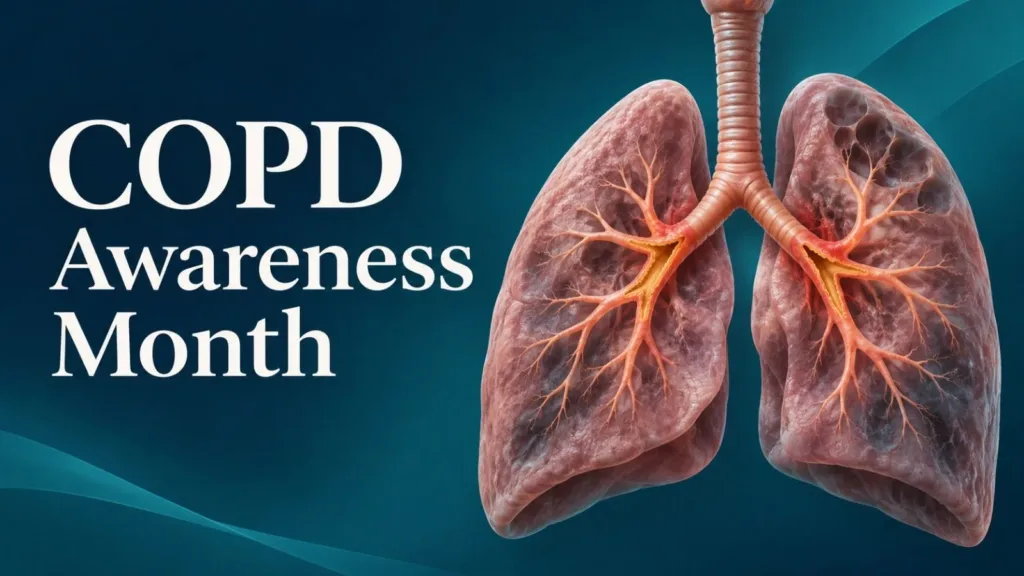
Observed every November, COPD Awareness Month aims to improve public understanding of this progressive respiratory disease, encourage early detection and highlight the importance of timely medical intervention.
The occasion also coincides with World COPD Day on November 18, 2026, observed under the theme “Early Diagnosis and Management for a Better Life.” The theme emphasises that recognising COPD early and initiating appropriate treatment can significantly improve respiratory health, reduce complications and help patients maintain their quality of life.
Understanding COPD: What Happens Inside the Lungs?
Chronic Obstructive Pulmonary Disease (COPD) is a long-term respiratory condition characterised by persistent airflow limitation, making it increasingly difficult to breathe.
The disease primarily involves two conditions:
- Chronic Bronchitis: Persistent inflammation of the bronchial tubes, resulting in excessive mucus production, prolonged coughing and narrowing of the airways.
- Emphysema: Progressive damage to the tiny air sacs (alveoli) responsible for oxygen exchange. As these structures deteriorate, the lungs lose elasticity, making it difficult to expel air efficiently.
Many patients experience features of both conditions. Over time, airflow obstruction can become progressively more severe, affecting oxygen exchange, physical activity and overall health.
Although the structural damage associated with COPD cannot generally be reversed, appropriate treatment can substantially improve symptoms, reduce exacerbations and help slow disease progression.
COPD: A Growing Health Concern in India
COPD represents a significant public health challenge worldwide.
According to the World Health Organization (WHO), COPD was the third leading cause of death globally, accounting for approximately 3.4 million deaths in 2023.
India faces a considerable burden of the disease. A systematic review and meta-analysis published in 2026, involving 23 studies and over 27,000 Indian adults, reported a pooled COPD prevalence of approximately 13%. However, prevalence varied considerably between the populations and settings studied.
One of the greatest challenges is delayed diagnosis. Many individuals remain unaware of their condition until breathlessness begins interfering with routine activities.
In India, exposure to tobacco smoke, household cooking fuels, industrial emissions, occupational dust and deteriorating air quality contributes to the respiratory disease burden.
Is Smoking the Only Cause of COPD?
Smoking remains a major risk factor for COPD, but the belief that only smokers develop the disease is a dangerous misconception.
Several other factors can contribute to its development.
- Tobacco Exposure: Cigarette smoking, bidis and prolonged exposure to second-hand smoke can damage the airways and lung tissue.
- Air Pollution: Long-term exposure to particulate matter, vehicular emissions and industrial pollutants can contribute to chronic airway inflammation.
- Indoor Cooking Smoke: Exposure to smoke from wood, coal, dung cakes and other biomass fuels, particularly in poorly ventilated kitchens, increases respiratory risks.
- Occupational Exposure: Individuals working in construction, mining, manufacturing and other industries involving dust, chemicals or fumes may face increased exposure.
- Previous Respiratory Illnesses: A history of pulmonary tuberculosis, recurrent respiratory infections or poorly controlled asthma may contribute to chronic respiratory impairment.
- Genetic Factors: Certain inherited conditions, particularly alpha-1 antitrypsin deficiency, can predispose individuals to COPD, sometimes at a younger age.
Advancing age and cumulative exposure to environmental irritants also increase susceptibility.
Importantly, COPD can develop even in individuals who have never smoked.
Early Warning Signs: When Should You Be Concerned?
COPD often develops gradually, with symptoms becoming more noticeable as airflow obstruction progresses.
Common warning signs include:
- Persistent Cough: A cough that continues for weeks or months, particularly when associated with mucus production.
- Progressive Breathlessness: Difficulty breathing during routine activities such as walking, climbing stairs or performing household tasks.
- Wheezing: A whistling sound while breathing due to narrowed airways.
- Excessive Sputum Production: Frequent coughing accompanied by mucus, especially in the morning.
- Chest Tightness: A sensation of pressure or discomfort during breathing.
- Fatigue and Reduced Stamina: Unusual tiredness resulting from increased effort during breathing.
As the disease advances, patients may experience breathlessness even during minimal physical activity.
These symptoms should not automatically be dismissed as normal consequences of ageing or poor fitness.
How Is COPD Diagnosed?
Early diagnosis plays a crucial role in preventing avoidable deterioration.
A pulmonologist evaluates the patient’s symptoms, medical history, smoking status and exposure to respiratory irritants.
The most important diagnostic investigation is Spirometry, a pulmonary function test that measures how much air a person can exhale and how quickly.
COPD is generally confirmed when spirometry demonstrates persistent airflow obstruction after administration of a bronchodilator, with an FEV₁/FVC ratio below 0.70, interpreted alongside the patient’s clinical history.
Additional investigations may include chest X-rays, CT scans, oxygen saturation assessment and arterial blood gas analysis when clinically indicated.
These investigations help assess disease severity, identify associated complications and exclude other respiratory conditions.
COPD Exacerbations: When Symptoms Suddenly Worsen
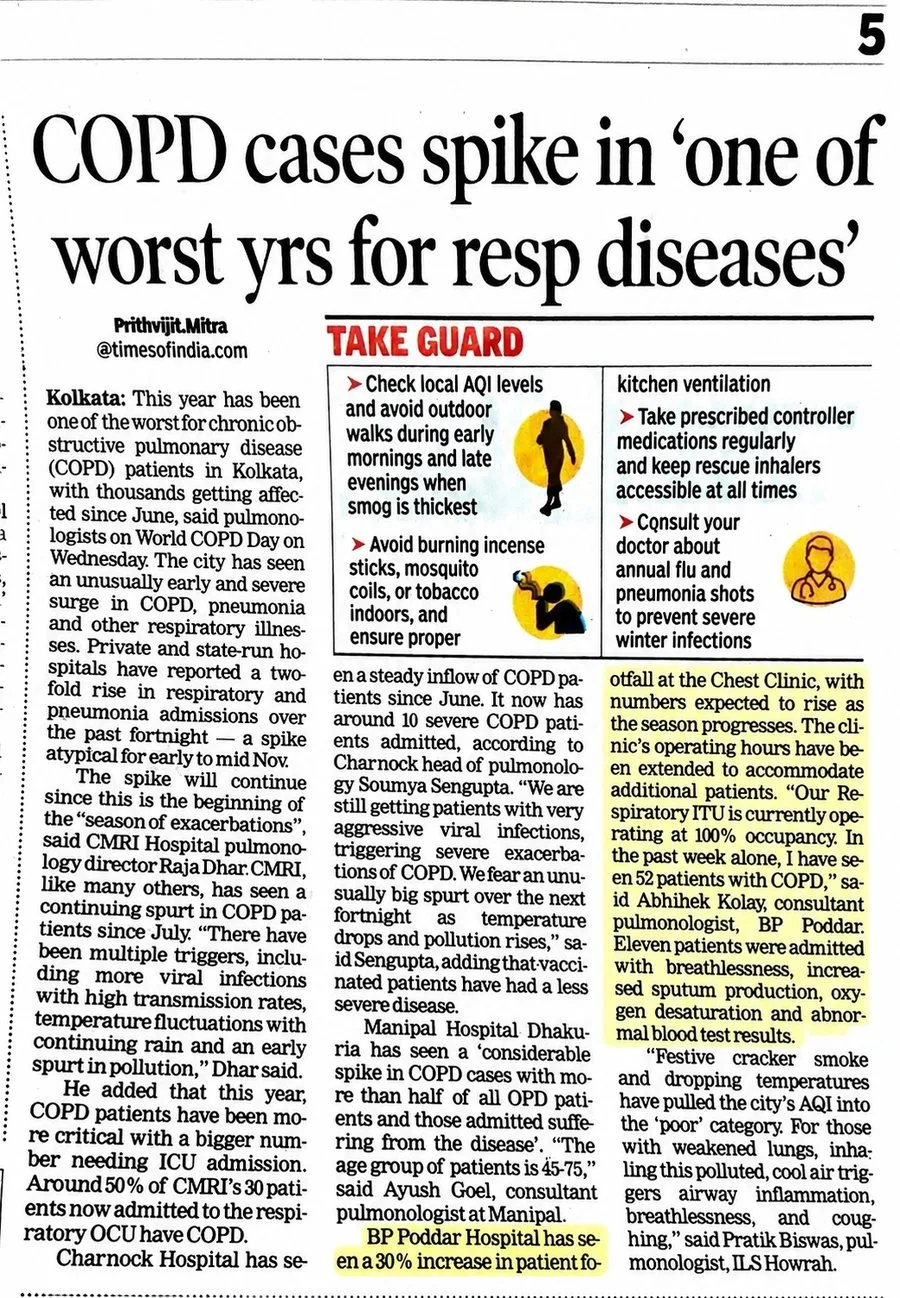
One of the most concerning aspects of COPD is the occurrence of acute exacerbations, commonly known as flare-ups.
During these episodes, patients experience a sudden worsening of respiratory symptoms beyond their usual day-to-day variations.
Common triggers include respiratory infections, exposure to smoke, air pollution and other environmental irritants.
An exacerbation may present with increased breathlessness, more frequent coughing, increased sputum production, changes in sputum colour or worsening wheezing.
Severe exacerbations can lead to respiratory failure and may require hospitalisation, oxygen therapy or non-invasive ventilatory support.
Severe breathlessness at rest, bluish discolouration of the lips, confusion or an inability to speak comfortably due to breathlessness requires immediate emergency medical attention.
Repeated exacerbations can accelerate deterioration in lung function and significantly affect long-term health outcomes.
Can COPD Be Treated?
Although COPD is a chronic condition without a definitive cure, modern treatment strategies can help patients achieve better symptom control and maintain functional independence.
Treatment is individualised according to disease severity, symptom burden and the frequency of exacerbations.
Bronchodilator Therapy
Inhaled bronchodilators form the foundation of COPD management. These medications relax the airway muscles, improve airflow and reduce breathlessness.
Long-acting bronchodilators, including LAMA and LABA medications, are frequently prescribed for ongoing symptom management.
Inhaled Corticosteroids
Inhaled corticosteroids may be recommended for selected patients, particularly those experiencing recurrent exacerbations or having certain inflammatory characteristics.
They are not necessary for every patient and should be prescribed after appropriate clinical assessment.
Pulmonary Rehabilitation
Pulmonary rehabilitation combines supervised exercise training, breathing techniques, education and lifestyle counselling.
It can improve exercise tolerance, reduce breathlessness and help patients manage daily activities more effectively.
Oxygen and Respiratory Support
Patients with severe chronic oxygen deficiency may require long-term oxygen therapy following appropriate medical evaluation.
During acute respiratory deterioration, controlled oxygen administration and non-invasive ventilation may be necessary.
Managing Associated Conditions
COPD frequently coexists with cardiovascular disease, diabetes, osteoporosis and other chronic health conditions.
Comprehensive management of these associated conditions is important for improving overall patient outcomes.
Lifestyle Management: Living Better with COPD
Medical treatment is only one component of effective COPD management. Everyday lifestyle modifications can significantly influence disease progression and quality of life.
- Smoking Cessation: Stopping smoking is one of the most effective interventions for slowing further lung damage.
- Reducing Pollution Exposure: Avoiding tobacco smoke, occupational irritants and heavily polluted environments can help minimise respiratory symptoms.
- Regular Physical Activity: Appropriate exercise, guided by a healthcare professional, can improve muscle strength and endurance.
- Balanced Nutrition: Adequate protein intake, hydration and a balanced diet support overall health and respiratory muscle function.
- Vaccination: Recommended vaccinations against influenza, pneumococcal infections and other respiratory illnesses can reduce the risk of serious infections and exacerbations.
- Medication Adherence: Prescribed inhalers should be used regularly and with the correct technique. Patients should not discontinue maintenance medication simply because symptoms have improved.
- Regular Medical Follow-up: Periodic assessment helps monitor symptoms, lung function, inhaler technique and the need for treatment adjustments.
Why Early Diagnosis Matters
COPD is frequently diagnosed only after substantial lung damage has occurred.
A persistent cough may be mistaken for a smoker’s cough. Breathlessness may be attributed to increasing age, while recurrent chest infections may be treated individually without investigating an underlying chronic respiratory disorder.
This delay can allow the disease to progress unnoticed.
Early evaluation enables clinicians to identify airflow obstruction, address risk factors, initiate appropriate therapy and reduce the likelihood of future exacerbations.
Importantly, individuals with chronic cough, unexplained breathlessness or significant exposure to respiratory irritants should undergo medical assessment rather than waiting for symptoms to become severe.
COPD Awareness Month 2026: Every Breath Deserves Attention
The message of COPD Awareness Month extends beyond recognising a respiratory disease. It is about understanding that chronic breathlessness should never be accepted as an unavoidable part of life.
With timely diagnosis, appropriate treatment, respiratory rehabilitation and consistent lifestyle management, many individuals living with COPD can remain active and enjoy a better quality of life.
At B. P. Poddar Hospital & Medical Research Ltd., New Alipore, Kolkata, the emphasis remains on timely evaluation, specialist consultation and comprehensive management of respiratory conditions through its Pulmonology services.
This COPD Awareness Month, recognise the warning signs, take persistent respiratory symptoms seriously and encourage those at risk to seek medical advice.
Because breathing should never become a struggle we simply learn to live with.