World Meningitis Day 2026: When Meningitis Strikes, Time Matters
5 October, 2026
A fever, a severe headache or unusual drowsiness may initially seem like signs of a common illness. However, when symptoms develop rapidly or occur alongside neck stiffness, confusion or seizures, they need immediate medical attention.
Observed on
5 October, World Meningitis Day raises awareness of a condition that can affect people of all ages. It highlights the importance of prevention, recognising warning signs, accessing timely treatment and supporting those living with its after-effects.
What Is Meningitis?
Meningitis is inflammation of the meninges—the protective membranes surrounding the brain and spinal cord. It can be caused by bacteria, viruses, fungi and other organisms.
Bacterial meningitis is particularly serious and can become life-threatening within hours. Several bacteria can cause it, including those responsible for meningococcal and pneumococcal infections. Tuberculosis can also cause meningitis.
Viral meningitis is often less severe, but it still requires medical assessment. Some patients, particularly newborns and people with weakened immunity, can develop serious illness. Symptoms alone cannot reliably establish the cause or determine whether it is safe to remain at home.
Meningitis Symptoms You Should Recognise
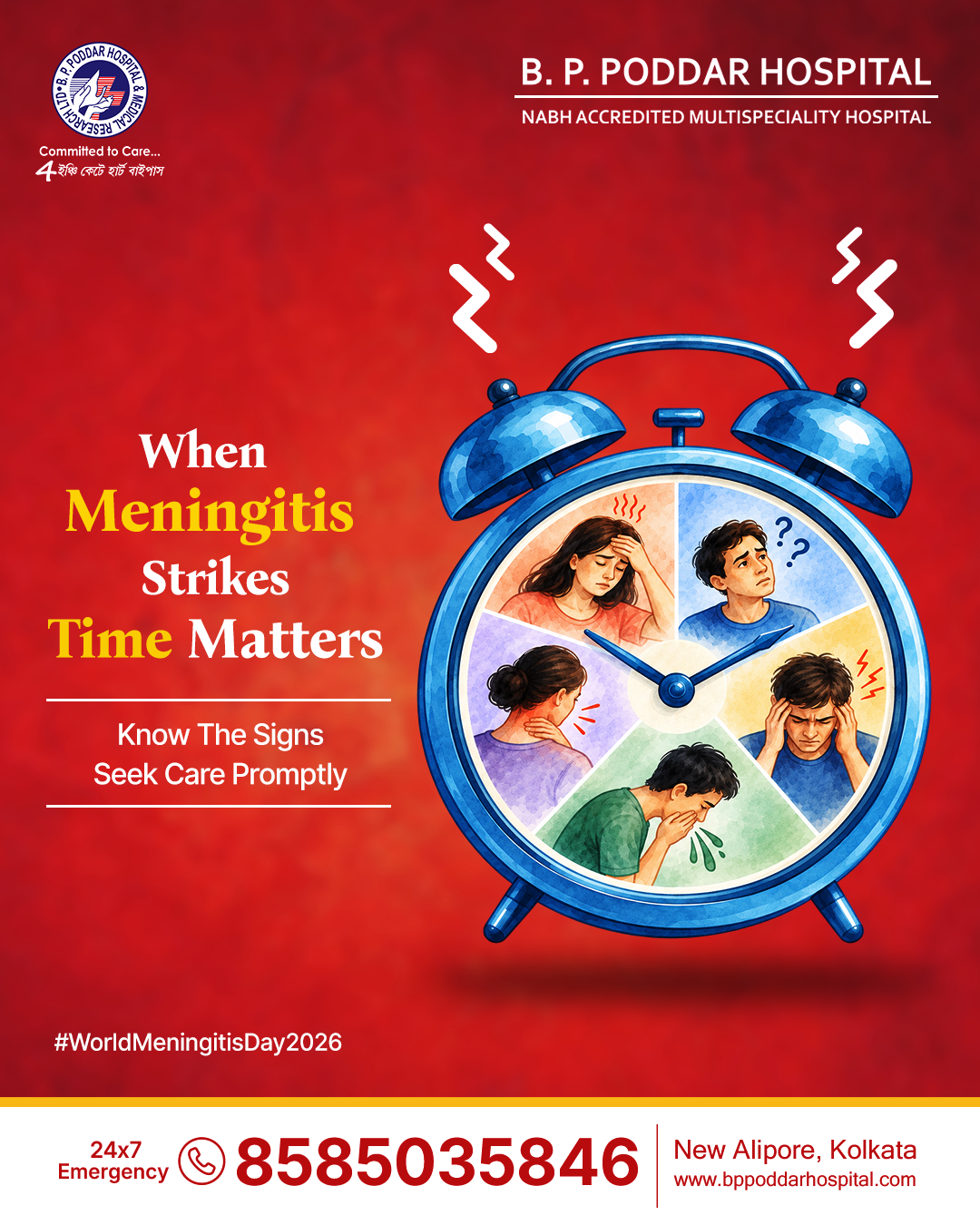
Warning signs in adults and older children may include:
- Fever with a severe or worsening headache
- Neck stiffness or discomfort when moving the neck
- Vomiting and sensitivity to bright light
- Confusion, unusual behaviour or reduced alertness
- Excessive sleepiness or difficulty waking
- Seizures
Babies may show different signs, such as feeding poorly, becoming unusually irritable, crying in an unfamiliar high-pitched manner, appearing floppy or less responsive, or developing a bulging soft spot on the head.
Do not wait for every symptom to appear. A person with meningitis may have only some of these features.
Does Meningitis Always Cause a Rash?
No. A red or purple rash that does not fade under pressure can occur with meningococcal bloodstream infection, but a rash may be absent, particularly early in the illness. It may also be harder to recognise on darker skin.
The absence of a rash does not rule out meningitis or make it safe to delay care.
Who Is at Greater Risk?
Anyone can develop meningitis. However, babies, young children, adolescents, older adults and people with weakened immune systems may be more vulnerable to particular causes. Certain conditions, including an absent spleen or a cerebrospinal fluid leak, can also increase the risk of bacterial meningitis.
Close living arrangements, such as hostels and shared accommodation, can increase opportunities for meningococcal bacteria to spread.
Why Prompt Diagnosis and Treatment Matter
Suspected meningitis is a medical emergency. Bacterial infection can progress rapidly, causing complications affecting the brain and, in some cases, life-threatening sepsis.
Doctors assess the patient and may arrange blood tests and a lumbar puncture, when appropriate, to examine cerebrospinal fluid—the fluid surrounding the brain and spinal cord.
Suspected bacterial meningitis requires prompt antibiotic treatment.
Treatment must not be delayed while waiting for a lumbar puncture or its results. Additional care depends on the patient’s condition and may include medicines to reduce inflammation and management of complications.
Treatment for viral meningitis differs. Many mild cases improve with supportive care, while severe illness or certain viral causes may require hospital admission or antiviral medicines. A doctor should determine the appropriate approach.
Can Meningitis Be Prevented?
Vaccination protects against several important causes of meningitis, including
Haemophilus influenzae type b (Hib), pneumococcus and meningococcus. No single vaccine prevents every type. Discuss age-appropriate vaccination and any additional protection needed for medical conditions, travel or exposure risks with your doctor.
Regular handwashing and cleaning frequently touched surfaces help reduce the spread of infections that can cause viral meningitis.
Meningococcal bacteria spread through respiratory and throat secretions, usually during close or prolonged contact. Close contacts of someone with meningococcal disease need prompt medical advice because preventive antibiotics may be required, even if they feel well. A healthcare professional should determine who needs them.
Recovery May Need Continued Care
Some people recover fully, while others experience hearing difficulties, seizures, problems with movement, or changes in memory and concentration. Follow-up care helps identify these problems and arrange appropriate support. Recovery deserves attention beyond the initial hospital stay.
Awareness and Care at B. P. Poddar Hospital
- P. Poddar Hospital & Medical Research Ltd., New Alipore, Kolkata, brings together Emergency, Neurology, Paediatrics and Critical Care services to support coordinated assessment and treatment.
This World Meningitis Day, learn the warning signs and discuss prevention with a qualified doctor.
If meningitis is suspected, seek care at the nearest Emergency Department immediately. Do not wait for a routine appointment.
Frequently Asked Questions
Can adults develop meningitis?
Yes. Meningitis affects all age groups, including adults and older people. The likely cause and level of risk vary with age and health conditions.
Is meningitis contagious?
Some bacteria and viruses that cause meningitis can spread between people. The route of transmission depends on the organism; exposure does not necessarily mean someone will develop meningitis.
Can a vaccinated person still develop meningitis?
Yes. Vaccines provide protection against specific causes, but they do not cover every organism or strain. Concerning symptoms still require urgent assessment.


 NABH Accredited Hospital